

If you are comparing loose substrate vs tile substrate for bearded dragon care, you are really deciding between Zilla Jungle Mix Terrarium Substrate Bedding and a solid tile floor made from ceramic, slate or porcelain. One gives you a soft, diggable forest floor that holds moisture, the other gives you a flat, dry surface that stays in place and wipes clean. I have kept dragons on both styles, and the right call depends more on your dragon and your home humidity than on packaging claims.
Your dragon’s age, your ventilation, and how much spot cleaning time you have will push you one way or the other. A young dragon that licks everything needs a different floor than a calm adult in a large, well ventilated enclosure with close monitoring. This breakdown compares the two side by side for bearded dragons specifically, so you can match the floor to your setup in 2026 without guessing.
This article contains affiliate links. If you buy through one of our links, DragonPop may earn a commission at no extra cost to you. Commissions never influence which products we recommend or how we rank them. Read our Affiliate Disclosure for details.
Quick Picks at a Glance
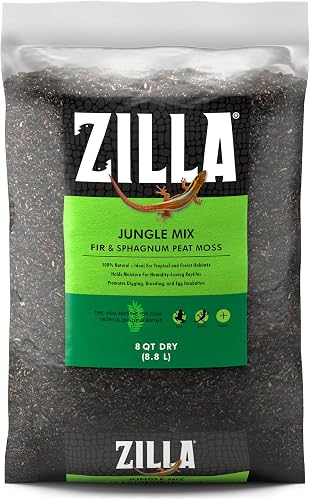
Prime Zilla Jungle Mix Terrarium Substrate Bedding 8
As an Amazon Associate we earn from qualifying purchases. Product prices and availability are accurate as of the date/time indicated.
Pros
- Excellent moisture retention keeps humidity stable for tropical species
- Soft organic texture is comfortable for digging, burrowing and nesting
- Natural fir bark and peat moss blend looks realistic and smells earthy
- Simple spot cleaning routine with easy monthly replacement
Cons
- Requires regular spot cleaning and full monthly changes to prevent odor and mold in humid tanks
- Can dry out quickly under heat lamps or stay too damp if over misted, so monitoring is needed
- 8 quart size may not be enough for large enclosures, so bigger tanks need multiple bags
Zilla Jungle Mix Terrarium Substrate Bedding is an 8 quart organic bedding made for tropical and forest setups. It is designed for humidity loving pets like frogs, rainforest geckos, toads and snakes that need a soft, moisture retentive floor.
The standout feature is natural humidity control from the sphagnum peat moss base. In real world use, it absorbs water well and releases it slowly, helping keep enclosure humidity stable between mistings while supporting digging and nesting.
The blend of aged Douglas fir bark and peat moss feels soft yet structured and looks like a real forest floor. It has a light earthy scent, holds tunnels and nests well, and works nicely in both animal only and live planted terrariums.
It is not maintenance free, as any organic substrate needs attention in warm, damp conditions. If kept too wet without cleaning, it can compact or develop odor, so daily spot cleaning and correct 1 to 2 inch depth are important.
Overall, this is a reliable, easy to use choice for keepers of tropical reptiles and amphibians. If you want organic bedding that balances moisture, comfort and natural behavior support, this Jungle Mix is easy to recommend.
Brand: Zilla, Style: Jungle Mix, Color: Brown, Material: Moss and Wood Shavings.
Tank Volume: 8 quarts, Item Weight: 5.8 pounds, Included Components: 1 bag of Zilla Jungle Mix Terrarium Substrate Bedding.
Special Feature: Jungle Mix blend of aged Douglas fir bark and sphagnum peat moss for tropical and forest habitats.
Spread bedding 1 to 2 inches deep across the terrarium floor for most tropical species.
Lightly mist to reach desired humidity, then monitor with a hygrometer and adjust misting as needed.
Remove waste and soiled bedding daily and replace all bedding monthly or as needed to keep the habitat fresh.
How They Compare
Material Composition and Humidity Behavior
Zilla Jungle Mix Terrarium Substrate Bedding is a 100 percent organic blend of aged Douglas fir bark and sphagnum peat moss with a soft, organic texture and earthy scent. The brand describes it as ideal for tropical and forest habitats, naming frogs, rainforest geckos, toads and snakes as the target animals, and it is designed to be highly absorbent to maintain humidity in reptile and plant enclosures. Tile substrate is the opposite by design, as it is hard, inert and non absorbent, so it does not hold water or release moisture into the air.
For a bearded dragon, that humidity difference matters every day because you want dry air with a proper basking gradient, not a damp forest floor. In my dry living room, Zilla Jungle Mix Terrarium Substrate Bedding stayed slightly damp longer than I expected after misting nearby plants, while tile dried within minutes and kept the basking area consistent. If you already fight high indoor humidity, you can read more in our Substrate and Bioactive Setups guides before adding anything that holds water.
Natural Behavior and Enrichment
Zilla Jungle Mix Terrarium Substrate Bedding clearly wins for digging, nesting and foraging movement because its loose structure encourages natural behaviors like digging, breeding, nesting and egg incubation. Your dragon can push, scrape and settle into it, which many adults seem to enjoy during rest time and pre lay behavior in females. Tile substrate offers almost no digging enrichment, though it does give solid traction for walking and basking when you choose a textured slate or unglazed ceramic surface.
You should weigh enrichment against risk based on age and feeding style. A confident adult that tong feeds from a dish may enjoy a supervised dig area of Zilla Jungle Mix Terrarium Substrate Bedding, while a baby that lunges at loose feeders is more likely to swallow bark pieces with tile avoiding that issue completely. If you want digging without a full loose floor, our bioactive substrate mix guide explains how keepers use contained dig boxes alongside solid flooring.
Cleaning and Daily Maintenance
Zilla Jungle Mix Terrarium Substrate Bedding asks for active maintenance, with a recommended bedding depth of 1 to 2 inches, daily removal of waste and soiled bedding, and full replacement monthly or as needed. That routine is workable, but loose fibers can trap urate, shed skin and feeder insects, so spot cleaning takes longer and you will go through bags over time. Tile substrate is much faster day to day, since you can pick up waste, wipe the surface with reptile safe cleaner, and be done without replacing the whole floor.
In practice, I spend about twice as long spot checking loose mix because I have to sift around hides, corners and under the basking platform to find buried waste. Tile shows everything, which helps you track appetite, hydration and stool quality, especially for new or sick dragons. Loose bedding can look tidy on top while waste sits below, so you need to be honest about whether you will do that daily check.
Safety and Life Stage Suitability
Zilla Jungle Mix Terrarium Substrate Bedding is made for humid species, not arid lizards, so its label fit is already a caution flag for bearded dragons. The bark pieces and peat create impaction and irritation risk if a hungry juvenile eats mouthfuls during feeding, and the moisture retention can keep nails and femoral pores damp if ventilation is weak. Tile substrate avoids ingestion risk almost entirely and keeps claws worn with normal activity, though cheap glazed tile can be slippery and cold if you do not pair it with proper basking surfaces and hides.
Neither option fixes husbandry on its own, and both need correct heat, UVB and diet to keep your dragon safe. Tile is more forgiving for beginners, babies and dragons recovering from illness because you can monitor intake and output clearly. Zilla Jungle Mix Terrarium Substrate Bedding demands more experience, careful tong or bowl feeding away from the substrate, and tight humidity monitoring, which is why many keepers reserve loose forest blends for tropical species and choose arid appropriate solids for dragons.
Which One Should You Get
Choose Zilla Jungle Mix Terrarium Substrate Bedding if you keep a healthy adult dragon in a large, well ventilated enclosure where keepers commonly report using a 4x2x2 foot footprint or larger, and you specifically want a supervised dig zone with close humidity checks. Use it at 1 to 2 inches, feed outside the loose area or by tong, spot clean daily and replace monthly or as needed, and skip it entirely if your room already runs humid or your dragon is a messy hunter. This is a choice for an experienced owner who will monitor behavior daily and accept more cleaning work for enrichment.
Choose tile substrate if you have a baby, juvenile or new rescue, or you want the simplest, driest and most hygienic floor for everyday bearded dragon care. Keepers commonly report starting hatchlings in smaller quarantine style enclosures before moving to a 4x2x2 foot adult setup, and tile makes that transition easier because waste is visible and feeders cannot hide underneath. Pick textured, unglazed ceramic or slate, leave expansion gaps for heat, and add a separate dig box later if your adult shows digging interest once feeding and handling are steady.
My Experience
I have used Zilla Jungle Mix Terrarium Substrate Bedding in a planted tropical tank and trialed a small contained section next to tile in my dragon room, and the difference was clear within a week. The mix smelled earthy, held a tunnel shape well and my adult female tried to dig in it the first evening, but it also held humidity longer than I wanted for a desert species and needed daily sifting around the food dish. I kept tile as the main floor for the dragon because cleanup was faster and stools were easier to check, and I now only offer loose mix as a supervised dig box rather than a full enclosure floor.
Who Should Skip Both
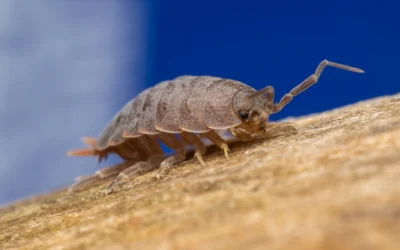
If you want a true arid bioactive setup with isopods, springtails and live plants, both of these alone are not ideal for that goal and you will need a different plan. Zilla Jungle Mix Terrarium Substrate Bedding is too moisture retentive for a desert cleanup crew, while plain tile supports no burrowing or microfauna at all. In that case, skip a full floor of either product and explore an arid loose blend with proper drainage plus hardscape, starting with our isopods for bioactive tanks guide to see what the crew actually needs.
Frequently Asked Questions
Is Zilla Jungle Mix Terrarium Substrate Bedding safe for bearded dragons?
It is marketed for tropical and forest reptiles, not bearded dragons, so use it with caution and only for healthy adults if at all. The bark and peat can cause impaction if eaten and can hold too much humidity for an arid enclosure. Most dragon keepers choose tile or an arid specific solid or loose option instead.
Is tile better than loose substrate for a baby bearded dragon?
Yes, tile is usually the safer pick for babies and juveniles because it prevents accidental ingestion and makes waste easy to monitor. Young dragons lunge at feeders and lick new surfaces, so a flat floor reduces risk. You can add enrichment with hides, climbing and supervised out of tank time instead.
Can I combine tile and loose substrate in the same bearded dragon tank?
Yes, many keepers use tile as the main floor with a shallow dig box of loose substrate on the cool side for enrichment. Keep the loose section contained, feed by tong or in a dish over tile, and watch humidity closely. Clean both areas on the same daily schedule so waste does not build up unseen.





Write Your Review
No reviews yet. Be the first to share your experience!