

Figuring out how to choose terrarium clean up crew for bearded dragon enclosures comes down to one honest question: can the little cleaners survive in a hot, dry tank while still doing useful work? Your dragon’s age, your enclosure size, your current substrate, and how much daily maintenance you want to do all shape that answer.
A good crew, usually isopods mixed with springtails, breaks down shed skin, dropped greens, and dry urate bits so odors stay lower and the substrate stays fresher between spot cleans. It does not replace you, though. Bearded dragons are messy, arid baskers, so you need hardy species plus smart moisture pockets. If you are still deciding on the base itself, read our guide on how to choose a bioactive substrate mix before you buy any bugs.
What Actually Matters
Forget the fancy labels for a minute. For bearded dragons, success depends less on rare color morphs and more on dry tolerance, starter numbers, and whether you can keep a damp refuge alive under a basking lamp.
Arid Tolerance and Moisture Refuges
Tropical isopods melt out in a bearded dragon tank if they have nowhere damp to retreat. You want species known among keepers for handling drier air, and you have to give them help. That means deep leaf litter, a piece of cork bark or a stone hide with damp soil underneath, and a corner you rewet lightly during routine care.
Think in zones, not whole tank humidity. Your basking side should stay hot and dry for your dragon, while the crew lives mostly on the cool side under cover. If you cannot maintain at least one shaded damp pocket without raising the whole tank to swampy levels, a live crew will struggle no matter which starter you pick.
Starter Count, Mix and Breeding Pace
Count matters because dragons step on, snack on, and dry out part of the colony. A very small starter in a large adult vivarium often disappears before it can breed. A larger single species starter tends to establish faster, while a smaller mixed starter gives you diversity and often includes springtails to handle mold and fine waste.
Ask yourself how patient you are. If you want visible cleaning in the first few weeks, start heavier and add leaf litter and a little supplemental chow. If you are seeding a new build a month before the dragon moves in, a smaller diverse starter can catch up. Either way, plan to leave the crew alone to breed under cover instead of digging them up to check daily. Our Substrate and Bioactive Setups archive has more context on seeding time and layering.
Support Food, Leaf Litter and Your Cleaning Style
Isopods and springtails cannot live on dragon poop alone in an arid tank. They need a standing pantry of dry leaves, a pinch of vegetable scrap or isopod chow now and then, and cuttlebone or similar calcium rich refuge that keepers commonly report using for shell strength. Without that, they will either stall out or start chewing on things you do not want chewed.
Be honest about your cleaning style too. If you love a quick daily wipe and full sanitizing, a live crew adds little and may just get wiped out. If you prefer light spot cleaning plus a weekly litter top up, with occasional help from a reptile safe spray for glass and basking surfaces, a crew fits much better. Lighting heat also dries litter fast, so check our bearded dragon lighting setup breakdown to see how lamp placement affects those damp refuges.
To show what that range looks like, here are a few options that show the range from live starters to manual cleaning support and beginner reading:
This article contains affiliate links. If you buy through one of our links, DragonPop may earn a commission at no extra cost to you. Commissions never influence which products we recommend or how we rank them. Read our Affiliate Disclosure for details.
Quick Picks at a Glance

Prime What Your Bearded Dragon Wishes You Knew
Prime 15+ Mixed Isopods Bioactive Clean Up Crew

Prime Bearded Dragon Tank Cleaner Spray 32oz

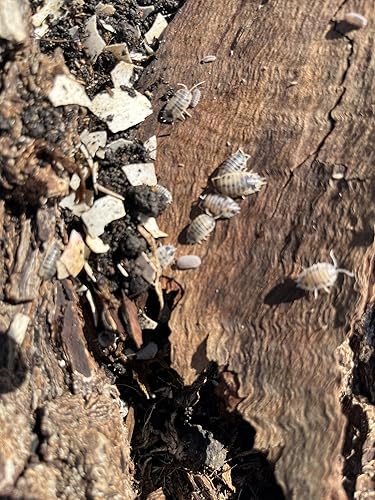
Prime TC INSECTS 30 Count Powder Orange Isopods

Prime Bearded Dragon Care for Beginners
As an Amazon Associate we earn from qualifying purchases. Product prices and availability are accurate as of the date/time indicated.
Pros
- Funny dragon perspective makes complex care topics engaging and memorable
- Comprehensive 20 chapter coverage from habitat setup to emergency preparedness
- Strong focus on myth busting and real world mistakes pet stores often miss
- Large 8.5 x 11 inch format is easy to read and reference during daily care
Cons
- Sarcastic humor will not suit readers who prefer a formal veterinary manual style
- At 92 pages, it is an overview guide rather than an in depth medical reference
- Focused only on bearded dragons, so multi reptile households will need additional books
What Your Bearded Dragon Wishes You Knew is a 92 page care guide written as if your dragon is schooling you. It is built for first time owners who want to avoid costly setup errors, plus experienced keepers who enjoy smart, straight talk.
The book spans 20 chapters covering habitat, lighting, substrate, diet, health, handling, myth busting and emergency care. The sarcastic voice actually helps, because warnings about sand impaction, cohabitation and temperature mistakes stick in your memory.
As a large format paperback at 8.5 by 11 inches, it reads like a workbook you can keep by the terrarium. The layout is clean, approachable and organized for quick reference rather than dense academic reading.
The humor is a double edged strength, and readers wanting a clinical tone may find it too casual. Coverage is broad but concise, so complex health issues will still require a reptile veterinarian for diagnosis and treatment.
Overall, this is a practical, entertaining starter to intermediate guide that makes essential husbandry easy to understand and apply. If you want memorable advice on diet, habitat and handling from a fresh angle, this book earns a spot on your shelf.
Habitat setup, heating, lighting, substrate choices and tank safety explained without confusing jargon.
Diet and nutrition beyond crickets, plus health checks, vet visits, handling, bonding and reading body language.
Myth busting, cohabitation risks, emergency prep for power outages, brumation and senior care tips.
Publisher: Independently published, Publication date: July 19, 2025, Language: English
Print length: 92 pages, ISBN-13: 979-8293148578, Item weight: 8.5 ounces
Dimensions: 8.5 x 0.21 x 11 inches, ASIN: B0FJ6TRS2K, Category: Reptile and Amphibian Care
Pros
- All in one bundle with isopods, springtails, earthworms and food included for fast setup
- Naturally reduces waste, mold and odors while keeping substrate aerated
- Compatible with many terrarium, vivarium, paludarium and ant farm habitats
- Low maintenance and self sustaining once established in proper humidity
Cons
- Mixed species and sizes, so you cannot select exact isopod types
- Live organisms need prompt introduction with proper warmth and humidity to thrive
- Starter colony size may take time to fully establish in larger enclosures
This kit provides 15 plus mixed sized isopods plus live springtails, red wiggler worms and isopod chow in one box. It is made for bioactive terrarium, vivarium, paludarium and ant farm keepers housing tree frogs, anoles, geckos, chameleons, bearded dragons, spiders and hermit crabs.
The crew works by constantly foraging for decaying leaves, leftover food and waste. In a warm, humid setup, this activity helps limit mold, reduce odors and keep the substrate aerated, which supports healthier plants and cleaner habitat conditions.
The bundle approach is practical for beginners, since food and complementary cleaners are included for quick introduction. The mixed sizes create immediate surface activity while smaller juveniles settle into the substrate and establish a breeding population over time.
The tradeoff is lack of choice, as species mix and exact counts will vary with each shipment. As with all live cultures, success depends on proper moisture, hiding spots and avoiding pesticides, so larger tanks may need time or additional cultures to reach full coverage.
Overall, this is a convenient, low maintenance starter for anyone building or refreshing a bioactive cleanup crew. If you want an affordable way to boost natural recycling and enrichment in a tropical terrarium, this mixed isopod bundle is an excellent fit.
Brand: Digger Derek, Ant Farm Supplies LLC, Model Number: afbiopods1, Set includes 15 count mixed sized isopods with live springtails and red wiggler earthworms plus isopod chow.
Specific uses include terrarium maintenance, vivarium maintenance, paludarium and ant farm clean up crew support for tropical style enclosures.
Target species include tree frog, anole, chameleon, gecko, bearded dragon, ant, spider, hermit crab and rolly polly habitats. Material type is live isopods in grey coloration for naturalistic display.
Pros
- Strong cleaning power on stains, waste and terrarium debris
- Safe, non-toxic formula for use around multiple reptile species
- Fresh scent with minimal chemical odor for indoor use
- Generous 32oz size built for regular daily cleaning
Cons
- Some users report a glass cleaner like scent despite low odor claims
- Spray only, scrubbing tool or wipes not included for tough buildup
- Branding focuses on bearded dragons, so multi species use may be unclear to new buyers
The Riverside Essentials Bearded Dragon Tank Cleaner is a 32oz spray built for daily reptile habitat upkeep. It targets bearded dragon enclosures first, yet it is also practical for gecko, snake and frog owners who want one safe cleaner for multiple tanks.
In real world use, owners praise its ability to lift waste, shed skin and food residue while leaving glass fresh and streak free. The no-rinse, non-toxic formula lets you spot clean quickly without moving your pet or worrying about harsh fumes.
The large spray bottle offers good coverage and control for corners, crevices and glass panels. Build quality feels durable for routine use, and the ergonomic trigger helps make daily maintenance fast and consistent.
The main drawback is scent expectations, as some users note a glass cleaner like smell despite the low odor claim. It is also spray only, so tough buildup may still need wiping or light scrubbing, and new buyers may overlook its multi species versatility.
Overall, this is a simple, effective and pet conscious choice for keeping terrariums clean and healthy. If you want a non-toxic, Made in USA spray for fast daily touch ups and deeper cleans, this is an easy recommendation for reptile keepers.
Spray directly onto soiled areas, glass or decor inside the enclosure. Let it sit briefly to loosen waste, shed or food, then wipe clean with a paper towel or reptile safe cloth, no rinsing needed.
Use daily for spot cleaning and weekly for full maintenance to control odor and buildup. Avoid spraying directly on your pet, food or water dish and ensure good ventilation during use.
Pros
- Highly effective at preventing waste buildup in bioactive terrariums
- Versatile for reptile, frog and amphibian care setups
- Hardy species that can establish a self sustaining colony
- Good starter quantity for new or existing enclosures
Cons
- Live insects require proper humidity, temperature and quick acclimation on arrival
- Starter colony may take time to fully populate larger terrariums
- Needs supplemental leaf litter and organic matter to thrive long term
The TC INSECTS 30 Count Powder Orange Isopods are live Porcellionides Pruinosus for bioactive terrariums and natural reptile feeding. They are made for reptile, frog and amphibian keepers who want a low maintenance, self sustaining cleanup system.
These isopods actively consume leaf litter, decaying food and other organic matter to prevent waste buildup. Their constant foraging helps keep substrate fresh while supporting healthier plants and animals in enclosed habitats.
Powder Orange isopods are valued as a hardy and prolific species that adapts well to indoor terrarium conditions. The all life stages group can establish quickly when given moisture, hiding spots and leaf litter.
As live animals, they need proper humidity and careful acclimation right after arrival to thrive. A starter group of this size may also take time to fully populate larger enclosures and performs best with supplemental feeding.
Overall, this pack offers a practical and efficient way to seed or boost a bioactive cleanup crew. It is a smart choice for hobbyists who want cleaner terrariums plus a natural supplemental food source.
Brand: TC INSECTS, Model: Powder Orange, Species: Porcellionides Pruinosus, Form: Live body.
Count: 30 isopods, Diet Type: Raw, Flavor: Unflavored, Life Stage: All Life Stages.
Recommended Uses: Terrarium maintenance, reptile care, amphibian care, Target Species: Frog and Reptile.
Use Environment: Indoor, Key Benefit: Keeps terrarium clean and promotes healthy environment.
Introduce the isopods to a moist terrarium with deep substrate, leaf litter and bark hides. Maintain consistent humidity and avoid letting the enclosure dry out completely.
Provide supplemental foods like leaf litter, vegetable scraps and calcium sources to help the colony establish. Keep the setup warm, ventilated and free from pesticides or chemicals.
Allow several weeks for the colony to breed and spread before expecting full cleanup coverage. Once established, they will continuously recycle waste and serve as occasional live food.
Pros
- Covers the full beginner journey from setup to feeding, bonding and health in one place
- Praised for clear, friendly tone that removes confusion for first time owners
- Practical tools like schedules, checklists and behavior explanations for daily use
- Suitable for both baby hatchlings and adult adoptions
Cons
- Compact 150 page format means advanced keepers may want more in-depth detail
- Focused on beginners, not a veterinary reference for complex medical issues
- Specific to bearded dragons only, not useful for other reptile species
This book by Alex Reid is a complete beginner manual for raising a bearded dragon, written for first time owners and adopters who feel overwhelmed by conflicting online advice. It walks you from day one setup through feeding, handling and long term care in clear sequential steps.
Standout coverage includes habitat temperature gradients, UVB and lighting choices, plus feeding schedules and portion guides for babies, juveniles and adults. Real world value comes from bonding routines, enrichment ideas, behavior decoding for head bobbing and glass surfing, plus shedding and brumation milestones.
As a 150 page paperback from VM StoryWorks, it is designed as a friendly reference you can keep by the enclosure rather than a dense textbook. The layout focuses on checklists, routines and actionable guidance that make daily care simpler and more consistent.
The main limitation is depth, since experienced keepers or complex medical cases will still need veterinary resources. It is also specific to bearded dragons, so it will not help with other reptiles.
Overall, this is a strong choice for new dragon parents who want confidence and clarity without stress. If you want one concise guide to set up correctly, feed properly and build trust, this book delivers practical value.
Publisher: VM StoryWorks, Publication date November 6, 2025
Language: English, Print length: 150 pages
ISBN-10: 1923565087, ISBN-13: 978-1923565081
Item weight: 9.9 ounces, Dimensions: 6 x 0.36 x 9 inches
Category: Reptiles and Amphibians, Focus: Beginner bearded dragon care
Learn how to set up a safe enclosure with proper heat gradient, substrate, hides and desert enrichment. Get clear direction on UVB bulbs, basking lights and timer schedules.
Follow feeding plans by age with portion sizes, staple insects and greens, plus foods to avoid. Build trust with handling steps, bonding rituals and play based enrichment.
Understand body language, shedding cycles and brumation so you can respond calmly. Use health checks, cleaning routines and emergency checklists to keep your dragon thriving.
Matching Gear to Your Enclosure
There is no single best crew for every bearded dragon home. Match the starter to your substrate, your dragon’s appetite for bugs, and whether you are already bioactive or just exploring the idea.
If you run a full size adult vivarium with loose bioactive substrate, deep litter, and cork hides, a bulk single species starter makes sense. 30 Count Powder Orange Isopods is the example of that approach in this lineup. Keepers commonly report this type as active breeders that tolerate drier setups better than many tropical types, provided you keep a damp cool side refuge. Expect some to become snacks, that is normal, and let the rest breed under leaves for a few weeks before you judge results.
If your tank is smaller, newer, or you want diversity in one box, look at a mixed starter with extras. 15 Plus Mixed Isopods Clean Up Crew for Terrarium illustrates that style because it combines mixed species and sizes plus live springtails and isopod food chow. That mix is helpful for learning what breeds best in your conditions, and springtails help with fine mold under water dishes. The trade off is lower numbers of any single type, so give them extra cover and do not house them with a young dragon that hunts every moving speck on day one.
If you are still on tile, paper, or a simple loose mix and not ready for live bugs, focus on manual care and education first. Bearded Dragon Tank Cleaner Spray, 32oz is useful for no rinse spot wipes of glass, ramps, and feeding ledges without a full teardown. Pair that routine with reading like Bearded Dragon Care For Beginners for step by step habitat basics and What Your Bearded Dragon Wishes You Knew for a lighter take on diet, handling, and substrate choices. Once your heating, diet, and cleaning rhythm are steady, you can revisit live isopods. For food insect rhythm, our guide on how to choose a dubia colony starter pairs well here so you do not confuse feeders with cleaners.
Common Mistakes
Mistake one is adding a crew with no home. Dumping isopods onto dry sand or bare tile with no leaf litter, no cork, and no damp soil pocket leaves them exposed to heat and hungry dragons. Always set hides, litter, and a water dish zone first, then seed the crew in the cool corner in the evening.
Mistake two is treating cleaners like feeders. Yes, your dragon will eat a few powder oranges or dairy cows if given the chance, and that is fine in moderation. But if you buy a small starter as cheap live food and let a juvenile hunt the whole colony on day one, you will have no breeding base left to break down waste.
Mistake three is skipping spot cleaning because the tank is bioactive. Even strong colonies cannot keep up with fresh adult droppings, urates, and salad rot in a hot tank. Keep removing large waste by hand, wipe basking spots, replace soiled litter, and rewet only the refuge corner. Think of the crew as a support team, not a substitute keeper.
My Experience
I keep an adult dragon in a large, low humidity vivarium with a soil and sand style base, deep oak leaves, and two cork flats on the cool side. I started with a larger single species group for bulk and a smaller mixed group with springtails to test diversity, added a pinch of chow under the cork, and left them alone for three weeks except for light misting of that corner. The mixed bin taught me my tank runs very dry, so I now keep all breeding cover on the cool end and still spot clean droppings by hand, and the colony has held steady for months.
Who Should Wait or Buy Differently
A live clean up crew is not ideal for quarantine tanks, brand new hatchling setups with daily sanitizing, or any enclosure without stable heat, UVB, and a proper substrate base. If you are dealing with illness, parasites, or constant diarrhea, skip live bugs, stick to simple, easy to disinfect surfaces with manual cleaning, and focus on vet care and basic husbandry first. You can always seed isopods and springtails later once the tank is stable, warm in the right zones, and holding a damp refuge reliably.
Frequently Asked Questions
Will my bearded dragon eat the clean up crew?
Probably, at least a few. Most dragons will snap up an isopod that wanders into the open, especially juveniles. Provide deep litter and cork cover so the breeding core stays hidden, and start with enough numbers that light snacking does not wipe them out.
Do I still need to spot clean a bioactive bearded dragon tank?
Yes. Remove fresh droppings, urates, and rotting greens by hand, wipe food ledges and glass as needed, and top up leaves. The crew handles fine crumbs, shed, and breakdown between cleans, which keeps odor lower but does not replace basic hygiene.
Do isopods need extra food and water in an arid tank?
They need a standing pantry and a damp refuge. Keep dry leaf litter always available, add a tiny amount of veggie scrap or isopod chow under cover when litter looks thin, and lightly rewet only the cool side soil under hides. Avoid soaking the whole enclosure just for the bugs.






Write Your Review
No reviews yet. Be the first to share your experience!