

If you are trying to figure out how often to dust insects with calcium, you are asking one of the most important feeding questions for bearded dragons. The right routine supports strong bones, steady growth, and a calm feeding schedule you can actually maintain. Your dragon’s age, your enclosure size, your current setup with lighting and diet, and your budget all shape the choice. A young dragon that chases crickets all day has different needs than an adult that leans toward salads, so a copy and paste answer rarely works.
Reviewed in November 2026, this buying guide teaches you how to choose dusting gear and how to think through timing. You will learn what matters on the label, how coating quality changes results, and how to match tools to your routine. Always follow the manufacturer’s own directions for your specific powder and check with a reptile veterinarian about your individual dragon. For more background, browse the Calcium, Vitamin D3 and Supplements guides before you change anything.
What Actually Matters
Your Dragon’s Age and Feeding Pattern
You should start with age because it drives how many insect meals you offer each week. Young growing dragons tend to eat mostly insects, while adults shift toward more greens with fewer insect feedings. Keepers commonly report dusting insect meals more often for babies and juveniles than for mature adults, but your vet should confirm what fits your dragon.
Think about appetite and growth, not just the calendar. If your dragon is eating well, gaining steadily, and basking normally, your current plan is easier to judge. If appetite drops, growth stalls, or you see shaky movement, pause and get veterinary input instead of just adding more powder. More is not always better with supplements.
Also consider how consistent you can be. A simple plan you follow every time beats a perfect plan you forget. If you feed crickets in a busy family kitchen, you need a quick and tidy method. If you feed in a quiet reptile room, you may tolerate a slower routine with extra cleanup.
The Type of Powder and Label Directions
Not all powders are the same, and this is where many keepers get tripped up. Plain calcium, calcium with vitamin D3, and multivitamin blends each have a different job. You need to read the label every time you buy, because brands change formulas and serving notes. Never assume one scoop schedule works across products.
Always follow the manufacturer’s own directions for your specific product for dose, frequency, and storage. The label is your starting point, and your reptile veterinarian can help you adjust for age, diet, and lighting. Keepers commonly report rotating plain calcium and vitamin blends on different days, but you should only do what your product label and vet support for your case.
Your UVB setup also matters for this choice. Without steady and correct UVB, calcium use is less efficient, and D3 needs can shift. Do not try to fix a lighting gap by adding extra powder. Check your bulb type, placement, and replacement schedule, and ask your vet how that affects how often to dust insects with calcium.
How Even the Coating Is
Light and even coverage beats heavy clumps. You want insects that look lightly dusted, not snow covered. Too much powder can make feeders taste chalky, so your dragon may refuse them, and crickets can die faster when coated too thick. A gentle shake that leaves a thin film is usually what you are after.
Your tool shapes this result. A baggy works, but it is hard to control and often wastes powder. A small shaker bottle with a secure lid gives more control, and a design that calls for about 10 secs of shaking can help you stay consistent. Clear walls help too, since you can see when coverage looks even and stop before you overdo it.
Waste and mess matter more than people expect. Loose powder on the counter, on your hands, and in the feeder bin adds up fast. Look for a system that keeps powder contained, pours cleanly, and lets you reclaim what falls off. That saves money over time and keeps feeding less stressful, especially if you dust often.
Feeder Type and a Routine You Can Maintain
Different feeders hold powder differently. Crickets are jumpy and shed powder quickly, so timing matters and you want to feed soon after dusting. Dubia roaches are calmer and often hold a light coat well. Soft worms and black soldier fly larvae have slick or moist surfaces, so powder may slide off or clump if you shake too hard.
Pick a method that fits your weekly rhythm. If you feed insects most days, you need fast loading, one handed shaking, and easy rinsing. If you only offer insects a few times per week, you may prefer a smaller container that stores neatly between uses. Think about cleanup, drying time, and where you will store the powder safely away from humidity.
Budget is about more than the upfront cost. A higher-end pick with a recycling base may save powder over months, while a basic cup may waste more each feeding. Consider escape risk as well. A tight anti escape cover and a stable base reduce lost crickets in your home, which is worth a lot if you have kids or other pets.
To show what this looks like in practice, here are a few options that show the range in size, shaking style, and waste control:
This article contains affiliate links. If you buy through one of our links, DragonPop may earn a commission at no extra cost to you. Commissions never influence which products we recommend or how we rank them. Read our Affiliate Disclosure for details.
Quick Picks at a Glance
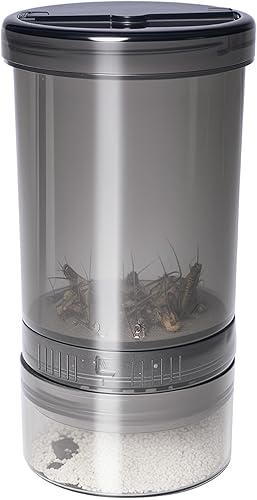
Prime SUKEOPET Cricket Calcium Mixer
As an Amazon Associate we earn from qualifying purchases. Product prices and availability are accurate as of the date/time indicated.
Pros
- Even, consistent powder coating improves feeder nutrition
- Powder recycling base reduces waste and cleanup
- Fast one-handed shaking saves time during feeding
- Clear, escape-proof design makes monitoring easy
- Lightweight and portable for home and travel use
Cons
- Manual plastic construction is best for small to medium feeder batches
- Limited to small to medium crickets and similar sized feeders
- Requires regular cleaning to prevent powder buildup in base threads
The SUKEOPET Cricket Calcium Powder Mixer is a manual dusting shaker designed for reptile keepers who feed live crickets. It is built for owners of bearded dragons, leopard geckos, chameleons, lizards and snakes who need consistent supplementation.
The 3 step system is simple, load crickets and powder, tighten the anti escape cover, then shake for about 10 seconds. Every cricket gets an even coating of calcium or vitamin powder, which saves time and improves feeding efficiency compared to bag dusting.
The 6 inch high transparency bottle gives a clear panoramic view of the mixing process so you can prevent escapes. The twist recycling base at the bottom collects excess powder for reuse, while the compact 6 x 3.3 inch plastic body feels light and travel friendly.
As a manual plastic shaker, it is best for small to medium batches rather than bulk pet store volumes. Very large crickets or other feeders may need extra shakes, and regular cleaning is needed to keep powder from caking in the base threads.
Overall, this is a practical, low effort upgrade for routine reptile feeding. If you want cleaner hands, less waste and evenly dusted crickets in seconds, it is a smart addition to your husbandry kit.
Brand: SUKEOPET, Set Name: Cricket Calcium Powder Mixer, Material: Plastic, Color: Black, Operation Mode: Manual.
Size: 6 x 3.3 inches with 6 inch clear mixing chamber for easy monitoring and portability.
Compatibility: Designed for dusting feeder crickets for bearded dragons, geckos, lizards, snakes and chameleons for home, pet store and travel use.
Matching Gear to Your Enclosure
For a starter setup with a young dragon that eats crickets often, speed and containment matter most. You are working in a small space with fast insects, so look for a clear 6-inch bottle you can operate with one hand and a lid that truly locks. The Cricket Calcium Powder Mixer fits this use case because you load crickets and powder, tighten the cover, and shake, which helps keep chaotic feedings under control.
For a large adult enclosure where insect meals are less frequent, focus on light coating and powder savings. You do not need a big batch system, you need control so adults do not get thick clumps they refuse. A mixer with a bottom powder storage bin that lets you rotate and recycle remaining powder helps here, and keepers like seeing the process through high transparency walls. Check the full calcium and supplement section to compare powder types for this slower schedule.
For a multi pet home, pet store style routine, or travel feeding, portability is key. A compact size around 6×3.3 inches fits easily in a reptile bag without leaking powder everywhere. The Cricket Calcium Powder Mixer is built for that grab and go style, from home breeding tubs to travel feeding. Just remember the tool does not set the schedule, your product label and reptile veterinarian do.
Common Mistakes
Mistake one is ignoring the manufacturer’s directions and using one schedule for every dragon. Keepers commonly report different timing for hatchlings, juveniles, and adults, and calcium with D3 is handled differently than plain calcium. Read your exact label, note whether it includes D3 or vitamin A, and confirm with your vet instead of copying a friend’s routine.
Mistake two is over dusting until insects look white and chalky. Heavy coats can irritate feeders, cause die off, and put your dragon off food. Aim for a light, even film and feed promptly. If you see piles of powder in the feeding bin, you used too much or shook too long for that feeder type.
Mistake three is mixing up products meant for different life stages or relying on powder alone. Multivitamins are not a swap for calcium, and no shaker can make up for weak UVB, poor temperatures, or no vet checks. Review your lighting, diet variety, and supplement lineup together in the Calcium, Vitamin D3 and Supplements archive and bring questions to your vet visit.
My Experience
I keep a single adult dragon in a front opening enclosure with tile, a basking ledge, and a separate feeding bin for crickets, and I switched to a clear shaker style mixer after too many powdery messes with a bag. I load a small pinch of powder, add a few crickets, tighten the lid, and use a short gentle shake until the coating looks light and even, then I feed right away and recycle what falls to the base. That routine cut waste, kept crickets alive longer through feeding time, and made it much easier to stay consistent without overdoing it.
Who Should Wait or Buy Differently
A dedicated cricket shaker is not ideal for every keeper, so be honest about your setup before you buy. If you only feed worms with tweezers, if your dragon is on a vet prescribed plan that limits handling of insects, or if you need precise measured dosing for a medical case, a shaker is not a good fit and a small dish with careful tong dusting may serve you better. This type of mixer is also not the right choice if you want to store powder long term in the shaker, since humidity and leftover insect debris can spoil powder, so keep bulk powder sealed separately and clean the tool after use.
Frequently Asked Questions
How often should I dust insects with calcium?
There is no single answer that fits every dragon. Keepers commonly report dusting more insect meals for growing dragons and fewer for adults, but the exact timing depends on your powder formula, diet, and UVB. Follow the manufacturer’s own directions and check with a reptile veterinarian for your dragon’s age and health.
Should I use calcium with D3 or plain calcium?
Both have a place, and the right pick depends on your lighting and total diet. Many keepers use plain calcium for most dustings and a D3 or multivitamin product only as directed, but you should not stack them without guidance. Bring your bulb type and supplement labels to your vet so the plan matches your enclosure.
Does a calcium mixer change how often I dust?
No, the tool changes coverage and waste, not the schedule. A mixer like the shaker style bottle can give a lighter and more even coat with less spilled powder, which may help your dragon accept dusted insects. Keep the same frequency your label and vet recommend, and use the clear walls to avoid heavy clumps.







Write Your Review
No reviews yet. Be the first to share your experience!