

You are choosing more than a glass box when you shop for a bioactive setup. You are choosing how well the enclosure will hold a living soil layer, how easy it will be to clean around plants, and how comfortable your dragon will stay as it grows. Your dragon’s age, your current enclosure size and layout, your setup experience, and your budget all shape the right choice. Get those four variables clear first and the rest of the decision gets much simpler.
Many keepers start with a simple desert style tank and later want roots, isopods, and real texture underfoot. A bioactive ready design makes that shift easier because the base is sealed, the doors allow access without crushing plants, and the top supports your lamps safely. If you are still comparing basic tanks, browse the Terrariums and Enclosures archive first to see how standard models differ from those built to hold soil and moisture.
What Actually Matters
Marketing often focuses on looks, but function matters more for a bearded dragon. You need dry basking air, diggable soil that stays in place, and steady access for spot cleaning. These are the points I check before I consider any model or guide.
Sealed Base and Drainage Control
A bioactive ready enclosure must keep moisture where you want it. Bearded dragons need dry air, yet plant roots and cleanup crew need slightly damp pockets under the surface. Look for sealed seams, a waterproof base, and a design that lets excess water collect below the soil rather than leak onto your stand or floor.
Pay attention to how you would empty or dry that lower zone if you overwater. A removable tray, a false bottom space, or easy front access helps a lot. If the base is raw wood or has open corners, you will fight swelling and odor no matter how good your soil mix is.
Substrate Depth and Usable Floor Space
Depth decides whether your setup will actually function. Shallow trays dry out fast, roots fail, and your dragon cannot dig without hitting the bottom. You want a front lip or base tall enough to hold a generous soil layer while still leaving headroom for a basking branch and clear walking lanes.
Floor space matters just as much. Your dragon needs a warm side and a cool side with room to turn, plus planting zones that will not be trampled daily. Keepers commonly report that wider, longer footprints work better for bioactive than tall narrow towers, since bearded dragons live mostly on the ground.
Ventilation, Doors and Fixture Mounting
Good airflow prevents stale, humid pockets that lead to mold on wood and leaf litter. Look for vents placed low and high to allow gentle cross flow, not just a single screen lid. Front opening doors are also a major help because you can mist a corner, tuck in food, or remove waste without reaching over plants and lights.
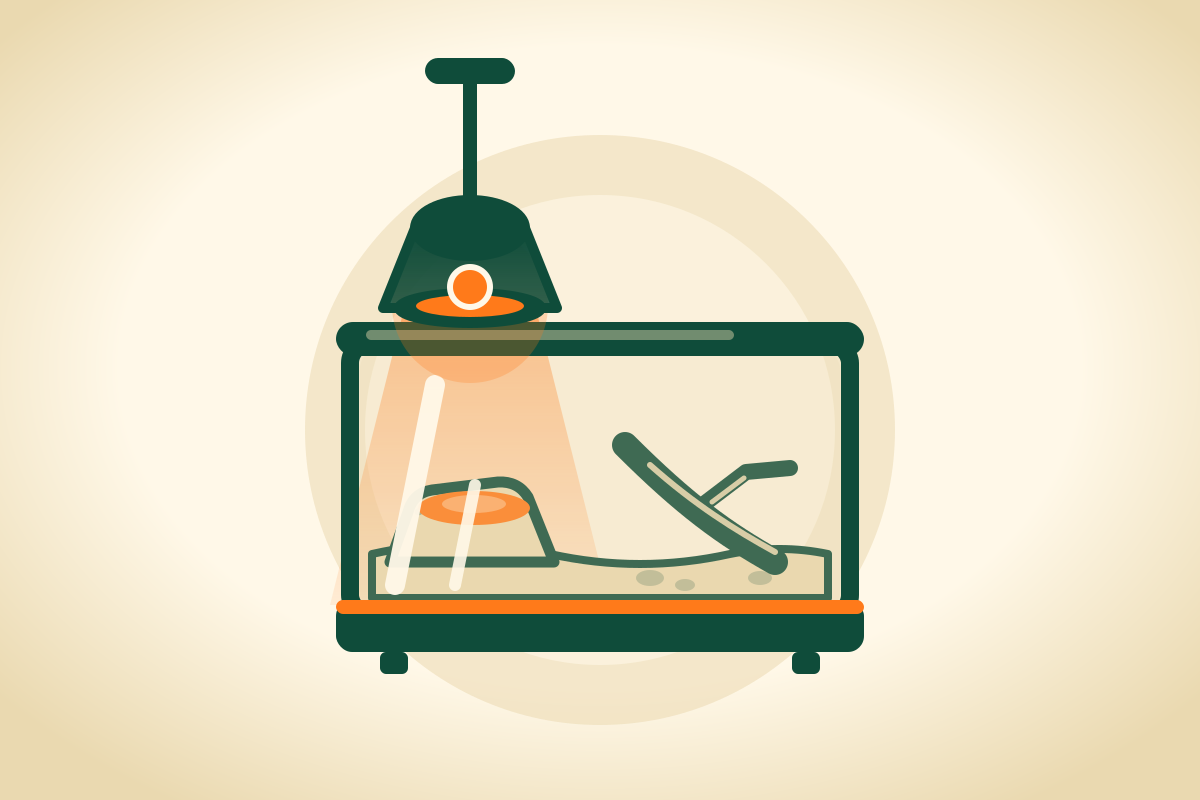
Check how your heat and light fixtures will mount. You want solid support on top, safe cord ports, and enough clearance so basking heat does not scorch a screen or melt plastic trim. For ideas on lamp placement, review our heat and lighting setup overview before you drill or hang anything.
Cleanup Crew Support and Long Term Care
Isopods and springtails do the quiet cleanup work, but they need shelter to survive in an arid tank. That means leaf litter, cork pieces, and at least one spot that stays slightly humid under decor. If an enclosure dries edge to edge with no cover, your crew will fade and waste will build up.
Think about refills and plant care too. You will top off leaf litter, trim plants, and replace tired soil pockets over time. Our bioactive substrate mix guide explains textures that hold tunnels yet drain well, which helps you judge whether a deep base model is worth it for your routine.
Reading how other keepers plan soil, plants, and routines can save you trial and error in 2026. Here are a few options that show the range of guidance available for bearded dragon care and bioactive methods.
This article contains affiliate links. If you buy through one of our links, DragonPop may earn a commission at no extra cost to you. Commissions never influence which products we recommend or how we rank them. Read our Affiliate Disclosure for details.
Quick Picks at a Glance

Prime Complete Guide to Bearded Dragon Care

Prime HowExpert Guide to Bioactive Terrariums
As an Amazon Associate we earn from qualifying purchases. Product prices and availability are accurate as of the date/time indicated.
Pros
- Covers the full care lifecycle from choosing a dragon to long-term health in one concise book
- Accessible tone works for children, teens and adult beginners without oversimplifying
- Strong focus on bonding, handling and training beyond basic feeding and housing
- Published as a portable 137-page paperback that is easy to reference during daily care
Cons
- 137-page length limits depth on advanced veterinary topics and breeding
- Focused only on bearded dragons, so less useful for owners of multiple reptile species
- Paperback format can show wear with frequent use around habitats and feeding areas
The Complete Guide to Bearded Dragon Care and Ownership by Alisha Cuarenta is a beginner-focused care manual for new and prospective owners. It is written for readers aged eight to adult, making it a strong pick for families, kids getting a first reptile, and adult beginners.
Standout coverage includes choosing a healthy dragon, building a naturalistic enclosure, and creating a balanced diet with insects, greens and commercial foods. The handling, bonding and training sections are especially practical, with tips for reading body language and building trust through regular interaction.
The book is a 137-page paperback with clear, approachable language and logical organization by topic. At 6 x 9 inches, it is portable and easy to keep near the enclosure for quick reference during feeding and cleaning routines.
The main limitation is depth, as advanced health conditions and breeding get introductory coverage rather than detailed treatment. Owners looking for multi-species reptile care will also need additional resources since this guide is bearded dragon specific.
Overall, this is a confident, family-friendly starter guide that simplifies successful bearded dragon ownership. If you want one clear book for setup, diet, handling and preventive health, it is an excellent first purchase.
Author: Alisha Cuarenta, Publisher: LP Media Inc, Publication Date: August 2, 2023. Language: English with kid-friendly yet comprehensive instruction for beginners through intermediate keepers.
Print Length: 137 pages, Dimensions: 6 x 0.31 x 9 inches, Weight: 9.1 ounces. Paperback format designed for easy handling and everyday reference.
Category Focus: Reptiles and Amphibians with full coverage of habitat, nutrition, handling, bonding, training and health. Best suited for first-time bearded dragon owners and families.
Pros
- Broad beginner coverage from substrate to lighting in one guide
- Includes both tropical and arid setup strategies for different species
- Strong focus on aesthetic design plus functional habitat care
- Friendly, encouraging tone that makes herpetoculture approachable for newcomers
Cons
- Current rating suggests mixed satisfaction, especially for experienced keepers
- 133-page length limits depth on advanced soil biology and cleanup crew care
- Compact print format may feel too introductory as a long term reference
HowExpert Guide to Bioactive Terrariums for Reptiles is a 133-page introductory book that teaches beginners how to build a self-sustaining habitat with 101 practical tips. It is written by Jillian Robinson, a vet assistant in training and keeper of Jones Armadillo lizards, specifically for first-time reptile owners.
Standout coverage includes substrate creation, plant placement for visual appeal, and lighting to make enclosures thrive and pop. It walks through both tropical setups for species like Gargoyle Geckos and arid setups for species like Ackie Monitors, so you can match the build to your animal.
In terms of design, the book is compact, lightweight and easy to read in a few sittings, with an encouraging and community focused tone. The structure emphasizes creativity and enjoyment, framing terrarium building as both pet care and home decor, not just a technical chore.
The main drawback is depth, as experienced keepers may find the advice introductory and wanting more advanced detail on soil biology or cleanup crews. The moderate rating also suggests expectations vary, so buyers looking for a scientific reference may need a supplemental source.
Verdict: This is a fun, accessible starting point if you want a beautiful, naturalistic enclosure and need clear direction to begin. Choose it for inspiration and fundamentals, then expand with species specific care sheets as your skills grow.
Publisher: Hot Methods, Inc., publication date November 29, 2023, language English, print length 133 pages.
ISBN-10: 1962386139, ISBN-13: 978-1962386135, dimensions 6 x 0.34 x 9 inches, weight 7.2 ounces.
Category: Reptile and Amphibian Care, Biology of Reptiles and Amphibians, portable beginner reference for home use.
Buy this guide if you are setting up your first bioactive terrarium and want simple steps for substrate, plants and lighting.
Look elsewhere if you already maintain bioactive enclosures or want deep veterinary level detail on bioactive science.
Pair this book with species specific care guides plus quality lighting, heating and humidity tools for best results.
Matching Gear to Your Enclosure
If you are raising a young dragon in a simple setup and planning its adult home, focus on learning husbandry first. You want an easy to clean, escape proof enclosure with solid access and simple decor while you dial in feeding and handling. The The Complete Guide to Bearded Dragon Care is useful here because it walks through habitat setup, daily routines, diet, and bonding in plain language.
Hold off on planting until your dragon is feeding well and you are comfortable with cleaning and temperature checks. When you do move to soil, you will already understand your dragon habits and you can choose a sealed adult sized model with the depth you need instead of guessing early.
If you already own a desert style tank and want to convert it, check the seal and base height before you buy soil. Many standard tanks are not ideal for holding a living layer because water seeps into corners and the lip is too low. You may need a new sealed base, a liner approach, or a different model entirely rather than forcing your current tank to do a job it was not built for.
This is where the HowExpert Guide to Bioactive Terrariums can help you visualize drainage layers, plant choices, and maintenance steps. It lays out ecosystem ideas in small lessons, though keepers note the advice is general for reptiles and you will still need to adapt it for the dry, high heat needs of a bearded dragon.
If you want a display style planted tank that still suits a bearded dragon, prioritize floor space and access over height. Look for wide front doors, strong top support for lamps, and room to keep basking slate separate from planted corners. That layout lets your dragon patrol and bask without flattening every plant on day one.
Pair that layout with reading from both guides and our Substrate and Bioactive Setups section to plan soil, leaf litter, and replanting. Expect to replace or rotate plants, since even tough arid species get climbed on, dug up, and basked upon regularly.
Common Mistakes
Choosing the wrong size for your space and dragon stage. A cramped base cannot hold soil plus a proper warm and cool zone, while an oversized tall tower wastes heat and makes cleaning awkward. Measure your stand, door swing, and room for lamp clearance before you order, and think about how you will carry the unit inside.
Placing the enclosure in an unsafe spot. Next to a drafty window, over a heat vent, or in direct sun through glass can swing conditions fast and stress plants and cleanup crew. Pick a stable interior wall with outlet access, leave room behind for cords, and do a full setup check with empty soil and decor before your dragon moves in.
Skipping a proper setup check and adding life too fast. Many keepers add isopods, springtails, and pricey plants on the same day as fresh soil, then wonder why the crew disappears. Cycle the soil with light watering, leaf litter, and hides first, watch for mold or leaks, and introduce plants and crew once moisture pockets stabilize.
My Experience
As of November 2026, I keep my adult in a front opening, sealed base model after starting simple, and I chose it mainly for the deep lip and easy door access. I read care basics first to lock in feeding and cleaning, then used a bioactive reptile guide to sketch drainage, soil texture, and plant corners that could handle trampling. The first planting looked rough after several weeks of digging, but the soil held tunnels, the crew settled under cork, and spot cleaning became faster than with my old setup.
Who Should Wait or Buy Differently
If you move often, share a small room with no stable stand, or still have a hatchling on quarantine style paper towels while you monitor health, a planted living setup is not ideal for you right now. It is also not a good fit if you want zero maintenance, since even established bioactive tanks need trimming, watering checks, and waste removal. Wait until your housing is stable and your routine is steady, then choose a sealed model with the depth and access you actually need.
Frequently Asked Questions
Do I need a special enclosure to go bioactive with a bearded dragon?
Not always, but it helps a lot. You can amend some solid tanks with a sealed liner and deeper barrier, yet many stock tanks leak or lack soil depth. If your base cannot stay dry on the outside while holding slightly damp soil inside, a purpose built sealed model will save you repairs.
How do I keep humidity safe in a bioactive bearded dragon tank?
Focus on zones rather than whole tank moisture. Keep basking areas dry and open, water plants in small amounts near roots, and maintain one humid hide or litter pocket for the crew. Watch for condensation, musty odor, or soggy soil and increase ventilation or cut back watering if you see those signs.
When should I add isopods, springtails, and plants?
Add hardscape and soil first and let the layer settle for several days while you check for leaks and airflow. Then add plants so roots can anchor, followed by leaf litter and crew under cork or slate. Give them time to shelter before your dragon starts digging and hunting through the new terrain.



Write Your Review
No reviews yet. Be the first to share your experience!