

You scoop the salad bowl, spot sweep the basking side, and still find bits of greens and shed stuck in the corners of your 4x2x2. For a bearded dragon, that dry, hot setup breaks down waste very slowly, so a bioactive crew needs extra planning.
This guide to the best springtails for bioactive terrarium for bearded dragon setups is for keepers running arid tanks who want less odor and healthier soil. You will learn which temperate cultures, combos, and moisture supports actually work for dragons, plus how to pair them with the right bioactive substrate mix.
This article contains affiliate links. If you buy through one of our links, DragonPop may earn a commission at no extra cost to you. Commissions never influence which products we recommend or how we rank them. Read our Affiliate Disclosure for details.
Quick Picks at a Glance

Prime 15+ Mixed Isopods Bioactive Clean Up Crew

Prime Riare 2 Pack Natural Coconut Fiber Substrate

Prime Sukh Sphagnum Moss 5oz for Reptiles

Prime TC INSECTS Bioactive Cleanup Crew 25 Powder Orange

Prime TC INSECTS Live Temperate Springtail Culture 8oz

Prime TC INSECTS Bioactive Cleanup Crew Bundle
As an Amazon Associate we earn from qualifying purchases. Product prices and availability are accurate as of the date/time indicated.
Pros
- All in one bundle with isopods, springtails, earthworms and food included for fast setup
- Naturally reduces waste, mold and odors while keeping substrate aerated
- Compatible with many terrarium, vivarium, paludarium and ant farm habitats
- Low maintenance and self sustaining once established in proper humidity
Cons
- Mixed species and sizes, so you cannot select exact isopod types
- Live organisms need prompt introduction with proper warmth and humidity to thrive
- Starter colony size may take time to fully establish in larger enclosures
This kit provides 15 plus mixed sized isopods plus live springtails, red wiggler worms and isopod chow in one box. It is made for bioactive terrarium, vivarium, paludarium and ant farm keepers housing tree frogs, anoles, geckos, chameleons, bearded dragons, spiders and hermit crabs.
The crew works by constantly foraging for decaying leaves, leftover food and waste. In a warm, humid setup, this activity helps limit mold, reduce odors and keep the substrate aerated, which supports healthier plants and cleaner habitat conditions.
The bundle approach is practical for beginners, since food and complementary cleaners are included for quick introduction. The mixed sizes create immediate surface activity while smaller juveniles settle into the substrate and establish a breeding population over time.
The tradeoff is lack of choice, as species mix and exact counts will vary with each shipment. As with all live cultures, success depends on proper moisture, hiding spots and avoiding pesticides, so larger tanks may need time or additional cultures to reach full coverage.
Overall, this is a convenient, low maintenance starter for anyone building or refreshing a bioactive cleanup crew. If you want an affordable way to boost natural recycling and enrichment in a tropical terrarium, this mixed isopod bundle is an excellent fit.
Brand: Digger Derek, Ant Farm Supplies LLC, Model Number: afbiopods1, Set includes 15 count mixed sized isopods with live springtails and red wiggler earthworms plus isopod chow.
Specific uses include terrarium maintenance, vivarium maintenance, paludarium and ant farm clean up crew support for tropical style enclosures.
Target species include tree frog, anole, chameleon, gecko, bearded dragon, ant, spider, hermit crab and rolly polly habitats. Material type is live isopods in grey coloration for naturalistic display.
Pros
- Excellent moisture retention for tropical reptiles and amphibians
- Natural, odorless and breathable material gentle on pets
- Controls waste and odor better than wood shavings or stone
- Compostable and reusable for plants for eco friendly disposal
Cons
- Requires soaking and drying time before use, not ready out of package
- May stay too damp for desert species without mixing or ventilation
- Compressed bricks need storage in a dry space to prevent premature expansion
The Riare 2 Pack Natural Coconut Fiber Substrate includes two compressed coco coir bricks designed for reptiles, amphibians and invertebrates. It is made for owners of snakes, geckos, frogs, hermit crabs, turtles and other humidity loving or burrowing pets.
In use, each brick expands quickly after soaking in water into a soft, fluffy bedding that holds moisture well. This helps maintain stable humidity and warmth while encouraging natural digging behavior and keeping the tank cleaner and fresher than shavings or stone.
The substrate is made from natural, odorless coconut fiber with good breathability and a soft texture that is comfortable for delicate animals. The compressed brick format is dense, compact for storage, and easy to prepare with just water and no extra tools.
Because it is a natural fiber product, expansion volume can vary and it needs regular spot cleaning to prevent excess dampness. Owners of arid species that need very dry conditions may need to mix it with drier bedding or choose a different substrate.
Overall, this is a practical, compostable and versatile bedding choice for tropical terrariums and moist habitats. If you want natural humidity control with easy cleanup and garden friendly disposal, this 2 pack is a solid pick.
Package includes 2 compressed coconut fiber bricks, each measuring 7.8 x 3.9 x 1.97 inches. Total package weight is 2.86 pounds with package dimensions of 8.19 x 4.29 x 4.06 inches.
Material is 100 percent natural coconut coir fiber, biodegradable and compostable. Suitable for frogs, snakes, geckos, lizards, turtles, hermit crabs, snails, spiders and other burrowing reptiles and amphibians.
Pros
- Highly absorbent to keep enclosures humid longer
- Soft texture encourages natural hiding, nesting and burrowing behavior
- Supports shedding and egg laying needs
- Versatile for reptiles, amphibians and live plants
- Easy to mix with bark, soil, sand or gravel setups
Cons
- Not suitable as a sole primary substrate for most species
- Needs frequent checking to avoid getting too wet or dirty
- 5 ounce pack may need frequent restocking for larger terrariums
Sukh Sphagnum Moss is a 5 ounce natural green substrate made for reptile and amphibian enclosures. It is designed for keepers of humidity loving species such as snakes, geckos, frogs and turtles.
Its standout strength is moisture retention, holding water well to keep humidity stable for longer. In daily use it creates a soft, moist surface that supports healthy shedding, burrowing and egg laying.
The moss has a light, fibrous natural texture that provides insulation and comfort for resting. It blends easily with bark, soil, sand, gravel, rocks and aquatic plants for a complete habitat setup.
It is not intended as a standalone primary substrate, so most setups will require mixing with other materials. It also needs regular care to stay clean and damp but not soggy, with periodic replacement.
For keepers who need stable humidity, shedding help and a natural nesting medium, this is a practical and versatile choice. It works especially well in tropical tanks, humid hides, feeding boxes and incubation containers.
Brand Sukh, Model H-Re-SphagnumMoss-112, Size 5 Ounces, Color Green. Package dimensions are 12.68 x 8.9 x 0.51 inches with an item weight of 5.6 ounces.
Designed as a terrarium substrate component for snakes, turtles, frogs, geckos and other reptiles and amphibians. Also suitable as an incubation medium and as a planting medium for orchids, ferns and succulents.
For best results, mix with appropriate primary substrates and maintain with light misting and regular replacement.
Use the moss in humid hides, egg laying areas, or mixed into the main substrate layer. Lightly moisten it to boost humidity, but avoid soaking to prevent excess wetness.
For snakes, combine with bark or shavings. For frogs, geckos and turtles, combine with soil, sand, gravel, rocks and plants to match species needs.
Check regularly for soiling, fluff and rehydrate as needed, and replace portions when it breaks down to keep the habitat clean and healthy.
Pros
- Live and active on arrival with healthy, well sized isopods and lively springtails
- Generous counts reported, with isopods breeding quickly to build a strong colony
- Easy drop in setup with substrate that goes straight into the enclosure
- Effective self cleaning action that keeps bioactive tanks fresher with less maintenance
Cons
- Live insects require humid conditions and proper substrate to survive and reproduce
- Sensitive to extreme weather during shipping despite protective packing
- Starter colony needs a couple weeks to fully establish and reach peak population
This bioactive combo from TC INSECTS pairs 25 powder orange isopods with an 8oz temperate springtail culture for terrariums and vivariums. It is built for frog, crested gecko, tortoise and other reptile keepers who want a natural, self cleaning enclosure.
Standout performance comes from the aged springtail culture loaded with food and eggs for a fast population boom in about two weeks. Buyers report lively springtails on arrival and isopod colonies multiplying quickly, with bright orange color that is easy to spot in substrate.
Both cultures ship in vented containers with moisture, food and biodegradable coco peat that can go straight into the enclosure. The Texas farmed packing keeps insects cushioned in transit and ready to use with no extra culturing step required.
As live animals, they need consistent humidity and leaf litter to establish, so a brand new dry tank will slow them down. Extreme heat or cold during shipping can also stress them despite careful packing, and mailbox delivery should be avoided.
For anyone starting or refreshing a bioactive setup, this is a convenient starter crew that works as a team to break down waste and debris. Healthy arrival condition, active breeding potential and ease of use make it a smart pick for indoor terrariums.
Pros
- Self sustaining culture provides ongoing live prey instead of single feedings
- Supports natural behavior and nutrition with live, raw whole prey
- Suitable for all life stages, especially tiny juveniles that need very small food
- Works for both feeding and bioactive tank maintenance
Cons
- Live animals require you to be home on delivery to ensure healthy arrival
- Needs ongoing moisture and care to keep the colony breeding successfully
- Care and seeding instructions are minimal, so beginners may need extra research
The TC INSECTS Live Springtail Temperate Culture is an 8oz live breeding starter designed for frog, reptile and amphibian keepers. It is built for indoor terrariums and bioactive setups where tiny live prey is essential. If you keep dart frogs, baby geckos or other small amphibians, this culture is made for you.
Each culture is loaded with eggs to hatch hundreds of springtails for continuous feeding. As a raw, live food, it helps stimulate natural hunting behavior and appetite while supporting immune health. In practice, it works well for seeding tanks and providing a steady supply for all life stages.
The temperate climate design makes it stable in typical indoor conditions without special heating. The 8oz culture format is easy to portion, sprinkle and establish in substrate. It doubles as a bioactive cleanup crew, helping break down waste and mold in humid enclosures.
Live cultures do need proper moisture and care to keep breeding, so beginners will need to learn basic maintenance. You also need to be home on delivery day to ensure the animals arrive healthy, which requires some planning.
Overall, this is a practical, self renewing live food solution for small insectivores. It is best for hobbyists who want natural nutrition plus terrarium cleaning benefits in one culture. For frog and reptile owners, it is a smart staple to keep on hand.
Brand: TC INSECTS, live temperate springtail culture.
Culture Size: 8 ounce breeding starter loaded with eggs for continuous hatching.
Target Species: Frogs, reptiles and amphibians, suitable for all life stages.
Use: Indoor live food source and bioactive terrarium seeding.
Diet Type: Raw, natural live prey to support appetite and immune function.
Keep the culture moist but not waterlogged and store at room temperature indoors for best breeding. Mist lightly as needed to maintain humidity for egg development.
Seed a portion into your terrarium substrate and reserve the rest as a master culture for future harvests. This method keeps a backup colony growing continuously.
Offer tiny amounts of brewer's yeast or uncooked rice as supplemental food for the colony. Avoid overfeeding to prevent mold and mites.
Plan to be home on arrival day and introduce the springtails promptly for highest survival. With basic care, the colony will expand and provide regular live feedings.
Pros
- Fast breeding Dwarf Whites establish quickly without needing males
- Dual action cleanup with isopods for debris plus springtails for mold
- Perfect size and temperament for bioactive frog and gecko tanks
- Improves substrate health through constant burrowing and recycling
Cons
- Live insects are highly temperature sensitive and require careful timing for shipping
- Extremely tiny and shy, they burrow and play dead so are poor for display
- Listing shows conflicting isopod counts, so live quantity on arrival may vary
This TC INSECTS Bioactive Combo pairs Dwarf White isopods, Trichorhina tomentosa, with an 8oz springtail starter culture for reptile and amphibian vivariums. It is designed for bioactive keepers who want a self renewing cleanup crew rather than frequent manual substrate changes.
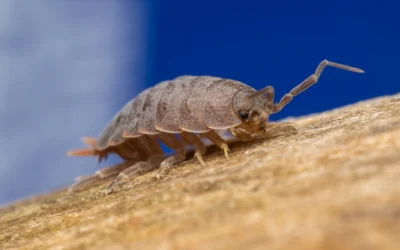
In practice, the combination covers two zones well, with isopods scavenging leaf litter and waste in the soil while springtails target surface mold and fungus. The Dwarf Whites breed parthenogenetically, so colonies establish fast and maintain numbers even in tanks with light predation from frogs or small geckos.
Culture quality centers on live viability, with springtails shipped on charcoal or peat and seeded with both adults and eggs for a quicker start. The isopods are tiny, under 5mm, bright white for easy spotting during setup, and naturally inclined to burrow and aerate tropical substrate.
The tradeoffs are typical for live microfauna. They are temperature sensitive in transit, shy and often hidden, and not engaging to observe compared with larger isopod species. The listing also mixes 50ct and 25 plus wording, so buyers should confirm expected counts before ordering.
Overall, this is a practical, low maintenance solution for tropical bioactive tanks that need discreet, continuous cleaning and soil conditioning. If you keep humidity loving reptiles or amphibians and can time shipping for mild weather, it is a smart foundational purchase.
Dwarf Whites prefer warm, humid tropical conditions with plenty of hiding spots like leaf litter, cork bark and moist substrate for burrowing. Keep the soil damp but not waterlogged, and maintain good ventilation to support both isopods and springtails.
Feed the crew with decaying leaves, vegetable scraps and bioactive supplements, as they will also scavenge animal waste and leftover food. Mist regularly to sustain humidity, and avoid pesticides or untreated wood that can harm microfauna.
For best results, seed the tank before adding your reptile or amphibian and allow a few weeks for breeding. Order only when daytime and nighttime temps are stable, and choose expedited shipping during hot or cold spells.
Buying Guide for Bioactive Springtails and Support Gear
Bearded dragons need low ambient humidity, strong basking heat, and firm digging soil. Your cleanup crew has to survive that while still finding damp microclimates to breed. Here is how we sort the options.
Choose Temperate Cultures That Handle Dry Air
Temperate springtails are the most practical choice for dragon tanks because they tolerate cooler nights and fluctuating moisture better than tropical strains. Look for cultures started on coco, charcoal, or peat that arrive with adults and eggs, so the population can rebound after the stress of shipping.
You will have the best success if you seed them into damp hides and soil pockets, not the open basking zone. Products like Live Springtail (Temperate) Culture – 8oz are built for that strategy, since the culture is loaded with eggs to help hundreds hatch once they settle into your bioactive setups.
Decide Between Springtails Alone or a Combo Crew
Springtails excel at mold, shed skin, and fine organic debris, but they do not chew through larger waste or tough leaf litter quickly. Isopods fill that gap by shredding greens, fecal matter, and bark, which then gives springtails more surface area to graze.
If you are starting from scratch, a combo saves time and balances the tank faster. The Bioactive Combo | 25 Powder Orange Isopods pairs powder orange isopods with an 8oz coco temperate springtail culture, while the Bioactive Combo 50ct Dwarf White & 8oz Springtails uses tiny dwarf whites that stay out of your dragon’s way.
Build Moisture Pockets Without Raising Tank Humidity
Your dragon needs 30 to 40 percent ambient humidity, yet springtails need damp refuges to thrive. Solve this with layered soil, a cool side dig area, and sphagnum moss packed under cork bark or inside a humid hide. Water that pocket with a syringe instead of misting the whole tank.
For the base, Riare 2 Pack Natural Coconut Fiber Substrate expands from compressed bricks into a soft, breathable soil that holds a moisture gradient well. Top the damp zones with Sukh Sphagnum Moss for Reptiles to shelter springtails and isopods, and pay attention to lighting and heat placement so the basking lamp does not bake your refuge dry.
Check Culture Age, Count, and Live Arrival Handling
Aged cultures with visible eggs establish much faster than a vial of adults alone. Expect the first real population boom about two weeks after seeding if food and moisture stay steady. Mixed sizes also help, since juveniles settle into soil pores where adults cannot fit.
The 15 Plus Mixed Isopods Clean Up Crew for Terrarium leans into that idea with mixed species and sizes plus live springtails and isopod chow included. Whatever you order, be home on delivery day, float the container to room temperature, and seed in the evening when the tank is cooler.
My Experience
I run a 4x2x2 PVC enclosure with my three year old male, and I keep the hot side near 100 degrees with a deep soil and sand blend on the cool side. I seeded the cool side hide and the area under his cork flat with temperate springtails and powder orange isopods, then tucked damp sphagnum over both spots and left the basking side dry.
After about three weeks, I started seeing springtails clustering under the water dish and in the moss when I lifted it at night. The isopods handled dropped collard stems and stray bits from his dubia colony leftovers much faster than soil alone, and odor after spot cleaning stayed lower. I still remove most feces by hand, but the soil smells earthy instead of sour between deep cleans.
Final Thoughts
If you want a simple start, choose Live Springtail (Temperate) Culture – 8oz for seeding damp hides, or pick Bioactive Combo | 25 Powder Orange Isopods when you need both shredders and mold control in one box.
Frequently Asked Questions
Can springtails survive in a dry bearded dragon tank?
Yes, if you give them damp microhabitats. Keep the overall tank arid for your dragon, but maintain moist soil under hides, under water dishes, and in a cool side dig zone. A dimming thermostat for your basking lamp helps prevent those refuges from drying out completely.
How many springtails do I need for a 4x2x2 enclosure?
For a standard adult enclosure, one 8oz temperate culture split across two or three damp zones is a solid start in 2026. You can add a second culture two weeks later if you do not see activity under bark or moss. Stable moisture matters more than sheer starting numbers.
Do I need isopods too, or are springtails enough?
Springtails alone help with mold and fine waste, but isopods break down larger debris like uneaten greens and shed. Most arid bioactive dragon tanks do best with both, plus regular spot cleaning by you. Think of the crew as helpers, not a replacement for husbandry and a balanced feeder insect routine.
Will my bearded dragon eat the cleanup crew?
Some dragons will snap up a powder orange isopod that wanders into the open, which is generally harmless in small numbers. Dwarf white isopods and soil dwelling springtails are usually ignored because they stay hidden and are very small. Provide cork cover and leaf litter so the crew can retreat and breed safely.
This roundup is not a good fit if you want the simplest possible upkeep; loose or bioactive substrates need more attention than a tile or paper setup.





Write Your Review
No reviews yet. Be the first to share your experience!