

Video credit: Snake Discovery. Original video: https://www.youtube.com/watch?v=GlxPztmZawA. This is our own independent breakdown and is not affiliated with the video creator. As an Amazon Associate, DragonPop earns from qualifying purchases. Product prices shown in the video may have changed.
Watch the video
Product breakdown
- Zoo Med Excavator clay substrate
- Josh's Frogs BioBedding bioactive substrate
- isopods for bioactive terrarium
- springtails for bioactive terrarium
- ceramic tile flooring for reptile tank
This breakdown is our own summary of the video for reference. Confirm current specs and price on the retailer page before buying.
Watch the Video
This is our own independent breakdown and is not affiliated with the video creator. As an Amazon Associate, DragonPop earns from qualifying purchases. Product prices shown in the video may have changed.
If you are weighing loose substrate against solid flooring, this breakdown will help you decide what fits your routine. We treat the video as a setup in this class, then translate what it shows about isopods and springtails into practical choices for a bearded dragon home with digging enrichment, steady cleanup, and simpler long term care.
What This Video Covers
This video from Snake Discovery gives a real world look at isopods and springtails as a cleanup crew, which is the living engine behind a bioactive style build. You see how these tiny custodians live in soil and leaf litter, what they eat, and why keepers add them to reduce leftover food and shed. For our purposes, view it as a setup in this class rather than an exact shopping list for your dragon tank.
For bearded dragons, that concept needs an arid twist. You want soils that stay fairly dry on top with good airflow, plus a cleanup crew suited to warm and low humidity life. Substrate choice affects upkeep, humidity, and safety, so you cannot copy a tropical frog tank one to one. The goal is a dry basking zone with texture for grip, and one or two slightly damp retreats under cork, slate, or near the water dish where isopods can regroup.
Age and scale shape the decision. I would not start a brand new baby on deep loose mix while you are still learning its appetite, stool pattern, and handling comfort. A juvenile that is eating salads and insects well gives you clearer feedback on health, and an adult in a roomy enclosure like the 120 gallon size mentioned in product listings lets you build a proper warm end, cool end, hide, and dig zone without crowding. Smaller starter tanks are harder to zone for moisture, so solid flooring is often calmer there.
The tradeoffs at this level are straightforward. Bioactive style substrate looks natural, supports digging, and can hold burrow shapes when you use clay blended correctly, and it pairs well with live plants in pots or sturdy arid plantings. The cost is maintenance skill. Bioactive setups need a drainage layer and a clean up crew suited to arid conditions, so you have to match the setup to how much maintenance you want to do, including spot cleaning, watering only the humid hides, and replacing leaf litter.
If you prefer low effort, solid options have real merit. A cut to fit mat is easy to wipe, does not raise humidity, and removes impaction worry from loose particles. You can learn more in our Substrate and Bioactive Setups archive, our how to choose a bioactive substrate mix, and our guide to choosing isopods for bioactive tanks. For young dragons, also see our notes on isopods versus springtails for babies before you commit to loose substrate.
Timestamp Breakdown
This is the core of the article. Use the table to map what is common at this level to what you can buy today in November 2026. The video itself is representative, so we do not claim the creator used our exact picks. Read the table as categories, then read my notes below for how I would apply them to a dragon.
This article contains affiliate links. If you buy through one of our links, DragonPop may earn a commission at no extra cost to you. Commissions never influence which products we recommend or how we rank them. Read our Affiliate Disclosure for details.
Quick Picks at a Glance

Prime Josh's Frogs ABG Mix Bioactive Terrarium Substrate

Prime Josh's Frogs BioBedding Tropical Bioactive

Prime TCYPUHL Reptile Carpet 18×79 Grey

Prime Zoo Med Excavator Clay Burrowing Substrate 10 lb
As an Amazon Associate we earn from qualifying purchases. Product prices and availability are accurate as of the date/time indicated.
Pros
- Excellent moisture retention while still draining well to prevent soggy soil
- Live plants root strongly and stay healthy long term
- Creates ideal habitat for springtails and isopods to maintain a clean tank
- Clean, earthy mix with no funky odors reported in use
- Saves time and hassle compared to sourcing and mixing DIY ABG ingredients
Cons
- Ingredients settle in layers in the bag and require thorough mixing before use
- Needs pre moistening with distilled or RO water to reduce dust during setup
- 4 quart size may require multiple bags for larger vivariums or thick substrate layers
Josh's Frogs ABG Mix is a premade bioactive terrarium substrate based on the original Atlanta Botanical Garden formula. It is made for tropical vivarium keepers, crested gecko and tree frog owners, dart frog hobbyists, and anyone growing live tropical plants indoors.
Performance in real tanks is where it stands out. It holds humidity high and steady while still draining freely, so plants stay hydrated without waterlogged roots. Users report thriving plants, active springtails, and healthy isopod populations with less frequent spot cleaning.
The blend combines charcoal, milled sphagnum moss, pine bark, tree fern fiber, and peat for balanced texture and airflow. It feels light, earthy and clean, with good structure for burrowing microfauna and root development. It also breaks down slowly for long term use.
There are minor prep steps to know. The ingredients ship layered in the bag, so you need to dump it in a bucket and mix fully before use. It is dusty when dry, so pre moistening with distilled or reverse osmosis water makes handling much easier.
For anyone wanting a proven, vivarium ready substrate without DIY mixing, this is an easy recommendation. It is consistent, plant friendly, cleanup crew friendly, and ideal for tropical bioactive setups.
Brand: Josh's Frogs, Model Number JF00504, Style: Tropical. Product type: Bioactive terrarium and vivarium substrate.
Volume: 4 quarts, 1 gallon, 128 ounces. Ingredients: Charcoal, milled sphagnum moss, pine bark, tree fern, and peat.
Best for: Tropical terrariums, dart frog vivariums, crested gecko enclosures, tree frogs, live plants, springtails and isopods.
Empty the full bag into a large bucket or tote and mix thoroughly to blend the settled layers. This step ensures even moisture retention and drainage throughout the enclosure.
Lightly moisten with distilled or reverse osmosis water until evenly damp but not dripping. Spread over a drainage layer and barrier if using a bioactive vivarium, then add plants and leaf litter.
Add springtails and isopods after planting to establish the cleanup crew. Maintain humidity with regular misting and monitor soil moisture to keep it damp, not saturated.
Pros
- Maintains humidity without getting soggy or packed down
- Works well with live plants and microfauna like springtails and isopods
- Natural appearance with diggable texture for burrowing and egg laying
- Contains charcoal and beneficial fungi to help keep substrate fresh longer
Cons
- Not ideal for quarantine setups or new animals that may carry mites
- Formulated only for tropical species, desert species need a different mix
- Works best with a drainage layer and added microfauna sold separately
Josh's Frogs BioBedding Tropical is a ready to use bioactive substrate designed for high humidity enclosures. It is made for crested geckos, day geckos, chameleons, tree frogs, water dragons, tropical snakes, anoles and tarantulas.
Paired with springtails and isopods, it creates a self sustaining cycle that breaks down waste and keeps the enclosure cleaner. Users report it stays moist without turning rotten, dries out naturally, and supports burrowing, tunneling and egg laying.
The blend combines organic and inorganic ingredients with trace elements, charcoal and beneficial fungi. This structure resists compaction, improves airflow, holds humidity, and gives live plants a healthy base to root and grow.
It is not a fit for every situation. It is formulated only for tropical setups, so desert species need a different mix, and it is not recommended for quarantine enclosures where mites could be a concern. For best results, you will also want a false bottom for drainage plus added microfauna.
For keepers building a naturalistic tropical vivarium, this is a reliable and low maintenance foundation. It looks natural, supports plants and microfauna, and lets pets dig and explore comfortably.
Pros
- Soft, smooth surface will not catch or pull nails
- Lays flat and is easy to trim for a custom fit
- Fast, simple cleaning with rinse or wipe
- Durable, water resistant and heat tolerant for daily use
Cons
- Size details vary in listing, measure enclosure carefully before cutting
- May show water spots if not fully air dried after washing
- Single mat per pack, a second mat is helpful for rotation during cleaning
The TCYPUHL Reptile Carpet is a reusable terrarium liner designed as a safer alternative to loose substrate. The 18x79 grey mat is made for bearded dragons, leopard geckos and other common reptiles, and it suits owners who want a tidy, low maintenance setup.
In real world use, the lightly textured surface with grip dots stands out. Reptiles walk, bask and rest comfortably without nails getting snagged, and owners note stable warmth on the hot side and easy movement across the tank.
Build quality feels practical for daily terrarium life. The thicker, water resistant and heat resistant material lays flat, resists wear, and cuts cleanly with scissors to fit 80 gallon, 120 gallon and custom enclosures.
There are a few tradeoffs to know. The listing shows conflicting dimensions, so measuring first is important, and the surface can show water spots if put back while damp. Since only one mat is included, keeping a spare makes cleaning days easier.
Overall, this is a solid, beginner friendly liner for bearded dragon and leopard gecko tanks. It balances comfort, safety and easy care well, and it is a smart pick for owners who want a clean looking habitat without loose substrate hassle.
Brand: TCYPUHL, Model: PCD-15689, Color: Grey, Size: 18x79 inch, 1 PCS.
Material: Thicker water resistant and heat resistant reptile liner with textured grip surface.
Compatibility: Bearded dragons, leopard geckos, snakes, lizards, turtles, ball pythons, chameleons.
Care: Wipe with damp cloth or rinse under running water, air dry fully before reuse. Trim with scissors for custom fit.
Pros
- Holds tunnel shape exceptionally well once fully dried
- All natural formula with no dyes or chemicals
- Promotes natural digging behavior and enrichment
- Highly moldable for creative, custom terrarium designs
Cons
- Requires mixing with water and full drying time before use
- Best for arid species only, not suited for high humidity setups
- Hardened surface may be too firm for reptiles that prefer soft loose bedding
Zoo Med Excavator Clay Burrowing Substrate is a 10 pound moldable clay substrate made for desert and arid reptiles that dig naturally. It is ideal for bearded dragons, leopard geckos, uromastyx and other burrowing species that need more than flat bedding.
When mixed with water, the clay can be shaped into tunnels, caves and multi level terraces that harden and keep their form. In real use, burrows stay open without collapsing, letting reptiles dig, hide and explore like they would in the wild.
The formula is all natural with no added dyes, colors or chemicals, so it fits well in naturalistic terrariums. Once dry, it forms a firm yet workable structure that supports weight and holds sculpted detail.
Setup takes planning, since you must mix, sculpt and allow complete drying time before adding your animal. It is also designed for arid habitats and is not a good fit for tropical species or setups that stay constantly wet.
For keepers who want to encourage natural digging and build a more engaging habitat, this is a standout choice in terrarium substrate. It rewards a little extra effort with a sturdy, safe and highly customizable reptile home.
Brand: Zoo Med
Model Number: XR10
Size: 10 pounds
Material Type: All natural burrowing clay, no dyes or chemicals
Package Dimensions: 14.48 x 9.02 x 2.17 inches
Best For: Arid reptiles, bearded dragons, leopard geckos, monitors
Mix Excavator Clay with water until it reaches a moldable, soil like consistency for building. Sculpt tunnels, burrows, terraces and hides directly in the terrarium while the material is damp.
Allow the structure to dry completely before introducing your reptile to ensure stability. Use decorations or supports to hold tunnel shapes during drying for best results.
Spot clean as needed and mist lightly only if required, as constant moisture will soften the structure. Plan your layout in advance to create stable levels your reptile can safely climb and burrow in.
| Timestamp | Part | Common at this level | Our 2026 pick | Why |
|---|---|---|---|---|
| Not listed | setup | a similar setup in this class | Zoo Med Excavator clay substrate | A grounded, currently sold option in the substrate bioactive category. |
| Not listed | gear | a similar setup in this class | Josh’s Frogs BioBedding bioactive substrate | A grounded, currently sold option in the substrate bioactive category. |
| Not listed | gear | a similar setup in this class | isopods for bioactive terrarium | A grounded, currently sold option in the substrate bioactive category. |
| Not listed | gear | a similar setup in this class | springtails for bioactive terrarium | A grounded, currently sold option in the substrate bioactive category. |
| Not listed | gear | a similar setup in this class | ceramic tile flooring for reptile tank | A grounded, currently sold option in the substrate bioactive category. |
The most important choice is your base layer. Zoo Med Excavator Clay Burrowing Substrate is built to hold its shape so tunnels do not collapse, with no dyes or chemicals, which suits dragons that love to dig and wedge under ledges. I like it for sculpted terraces and burrow starts, but you must let it set fully and keep water away from the basking side or it can stay damp longer than you want.
Next is the living soil. Josh’s Frogs BioBedding Tropical Bioactive is designed to work with microfauna like springtails and isopods to create a cleaner cycle and a natural look, and the maker notes that live plants grow well in it. In a dragon tank I treat it as a cool end or humid hide mix rather than a whole tank tropical fill, with strong ventilation and spot drying on the warm end. If you want a desert tuned version, the same line offers a desert blend, which fits the arid theme better for full coverage.
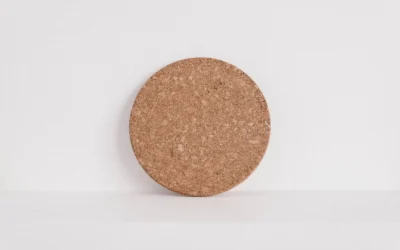
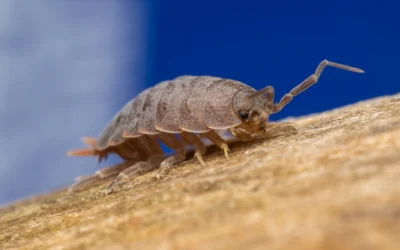
The cleanup crew itself is the third decision. Isopods handle larger crumbs and shed, while springtails work the damp micro layer and mold spots. For dragons, pick arid tolerant isopods, give them cork bark and leaf litter, and water only their corner. If you are not ready for that zoning, a solid floor like tile or a washable mat is a sensible pause while you learn your dragon.
My Experience
My adult male is just over two years old and lives in a 120 gallon enclosure with a sculpted warm side hide and a cooler dig corner. I ran Zoo Med Excavator Clay Burrowing Substrate blended into terraces on one side, and it held burrow starts well through daily basking without crumbling into dust. He digs after meals, then basks, and the firm surface gives his nails grip without the loose sand feel that used to stick to greens.
I also tested Josh’s Frogs ABG Mix Bioactive Terrarium Substrate in a planted cool hide bin first before using it near the dragon. The mix of charcoal, milled sphagnum moss, pine bark, tree fern, and peat stayed springy when I moistened it lightly with distilled water as directed, and springtails cultured well in it. In the main tank I keep that richer mix contained to the humid retreat only, so the basking zone stays dry and easy to spot clean.
Comparison and Alternatives
When you compare the two soil style picks, think structure versus biology. Zoo Med Excavator Clay Burrowing Substrate is about shape. It holds tunnels, lets you mold levels, and stays put once cured. It does not feed plants or microfauna by itself, so you add leaf litter and hides for cover. It suits keepers who want digging enrichment with controlled moisture.
Josh’s Frogs BioBedding Tropical Bioactive is about the living cycle. It is made to pair with springtails and isopods for long term use without frequent full changes, and it looks closer to a natural floor. The tradeoff is humidity control. In a bearded dragon tank you must use it sparingly on the cool end, vent well, and avoid soaking it, or you will fight damp air and odor.
Josh’s Frogs ABG Mix Bioactive Terrarium Substrate sits between them as a planting and culture mix. The Atlanta Botanical Garden recipe breaks down slowly, supports plants, and provides an excellent environment for springtails and isopods. I use it to culture custodians outside the tank and to fill a contained humid hide, not as a deep wet layer across the whole floor.
For a tighter budget or a baby setup, consider Bearded Dragon Tank Accessories Reptile mat as a lower cost swap. The textured liner is easy to wipe or rinse, can be cut to fit common tank footprints, and does not affect humidity. You lose digging, so add a dig box on the cool end with a small amount of safe, dry mix for enrichment. Who should not go bioactive yet. Anyone with a new baby, a dragon with a history of impaction or respiratory issues, or a keeper who cannot spot clean daily should stay solid until husbandry is steady and a reptile veterinarian clears loose substrate.
Three Ways to Set This Up
Pick the lane that matches your dragon age, your time, and your comfort with moisture zoning. All three assume strong overhead heat and light set to manufacturer guidance, plus daily spot cleaning. Adapt size and quantity to your own enclosure.
Beginner Budget Version for a Baby Starter
Use Bearded Dragon Tank Accessories Reptile cut to fit, with slate, branches, and two snug hides. Add a small lidded dig box with a shallow layer of Zoo Med Excavator Clay Burrowing Substrate left dry for supervised digging play.
Who it suits. New keepers, babies and juveniles, and anyone who wants fast cleanup and stable low humidity while learning feeding and handling.
Balanced Version We Recommend for a Juvenile
Use Josh’s Frogs BioBedding Tropical Bioactive contained to the cool end and humid hide, with tile or mat under the basking zone. Seed with springtails for bioactive terrarium use and a small arid tolerant isopod group under cork bark, with leaf litter on top.
Who it suits. Keepers with a juvenile that is eating and passing stool well who want natural looks and lighter odor without managing a full bioactive floor.
Higher End Version for an Adult Bioactive Build
Build terraces with Zoo Med Excavator Clay Burrowing Substrate, add drainage layer below, then top cool areas with bioactive mix. Stock isopods for bioactive terrarium use plus springtails for bioactive terrarium use, with cork flats, leaf litter, and potted arid plants. Culture extra custodians in Josh’s Frogs ABG Mix Bioactive Terrarium Substrate outside the tank for top ups.
Who it suits. Experienced keepers with an adult dragon in a large enclosure who enjoy weekly checks, targeted watering, and observing digging and foraging behavior.
FAQ
Can bearded dragons live with isopods and springtails full time
Yes, if you choose arid tolerant species and zone moisture so only the hide or cool corner stays slightly damp. Keep the basking area dry, offer leaf litter and bark for cover, and keep spot cleaning. If humidity climbs or the crew dies off, scale back to solid flooring and try again later.
Is excavator clay safe for digging bearded dragons
It can be a good enrichment choice when fully cured and kept dry on the warm end, since it holds burrow shape without loose dusty fill. Avoid deep wet clay, watch nails and joints, and remove any crumbling wet chunks. Young babies or dragons with health issues should stay on solid flooring until cleared by your reptile veterinarian.
What is the easiest bioactive substrate mix for beginners
Start with a contained approach rather than a full tank change. Use a washable mat or tile for most of the floor and a small bioactive zone with bioactive bedding plus springtails and a few isopods. That lets you learn watering and cleanup on a small scale while your dragon stays dry and easy to monitor.
Final Verdict
A setup in this class works for dragons when you keep it arid, zoned, and simple to clean. Solid flooring wins for babies and busy routines, while a contained bioactive corner wins for enrichment and odor control once husbandry is steady.
Our pick: the balanced juvenile setup with Josh’s Frogs BioBedding Tropical Bioactive on the cool end, tile or mat on the warm end, plus springtails and a small isopod group, for keepers who want natural behavior without full bioactive upkeep.
This roundup is not a good fit if you want the simplest possible upkeep; loose or bioactive substrates need more attention than a tile or paper setup.



Write Your Review
No reviews yet. Be the first to share your experience!