

If you are deciding between dandelion greens vs collard greens for bearded dragon salads, you already know both are daily staples and you just want a clear answer for your setup. In this head to head I compare fresh dandelion greens against Cal Organic Organic Collard Greens, 1 EA for texture, prep work, and how picky dragons actually respond at the salad bowl. Your real choice comes down to your dragon’s age, how often you shop for fresh produce, and whether you prefer soft quick to chew leaves or sturdy leaves that hold up longer under heat.
This guide is updated for 2026 keepers who feed salads every morning and want less waste. The collard option I tested carries a 4.4 out of 5 rating from 906 reviews, which tells you a lot of reptile and non reptile buyers use it regularly. I will walk through staple use, kitchen prep, taste response, and sourcing so you can pick with confidence. You can also browse more options in Staple Foods, Greens & Pellets if you rotate several greens through the week.
This article contains affiliate links. If you buy through one of our links, DragonPop may earn a commission at no extra cost to you. Commissions never influence which products we recommend or how we rank them. Read our Affiliate Disclosure for details.
Quick Picks at a Glance
Prime Cal Organic Fresh Organic Collard Greens
As an Amazon Associate we earn from qualifying purchases. Product prices and availability are accurate as of the date/time indicated.
Pros
- Huge, fresh leaves with full green color and crisp texture
- Great versatile flavor, tasty both raw in wraps and cooked in soups
- Clean and well packed with no bugs or wilting
- Stays fresh longer than typical store bought greens
Cons
- Sold as a single bunch, so large families or batch cooking may need more
- Some leaves can arrive on the mature side and need longer cooking time
- Fresh produce naturally varies in leaf size from bunch to bunch
Cal Organic Organic Collard Greens are fresh bunches made for Southern cooking, healthy meal prep and everyday greens lovers. They suit home cooks who want a versatile alternative to kale and spinach, plus reptile owners looking for clean staple greens.
In real use, the leaves impress with large size, crisp bite and fresh earthy flavor. Reviewers use them successfully for wraps, mixed greens dishes, and hearty soups with bok choy, enjoying them both raw and fully cooked.
Quality is a clear highlight, with vibrant green color, clean surfaces and sturdy leaves that hold up well. The bunches arrive fresh and stay crisp in the fridge longer than expected, making storage and weekly meal planning easier.
The main limitation is quantity, as one bunch may feel small if you cook big pots of greens or feed pets daily. A few shoppers also note occasional mature leaves that are slightly tougher and benefit from longer simmering.
Overall, these are dependable, flavorful organic collards with standout freshness and versatility. If you want convenient, high quality greens for cooking and healthy eating, this is an easy repeat buy.
Product: Cal Organic Organic Collard Greens, 1 Count fresh bunch.
Dimensions: 12 x 6 x 3 inches, 1.34 pounds per bunch.
Category: Fresh Collard Greens, ranked number 1 in Fresh Collard Greens.
Manufacturer: Cal Organic, UPC 078783904150, ASIN B09HQH6WZT.
How They Compare
Nutritional Role As A Daily Staple
Both dandelion greens and Cal Organic Organic Collard Greens, 1 EA work as base greens that you can offer daily with other vegetables, and keepers commonly report using either one as the main leaf in the bowl. Collard greens are known for firm, dark leaves that provide good bulk and fiber, which helps adult dragons feel full and keeps salads from wilting in minutes. Dandelion greens are softer and lighter, with jagged leaves that are easy for smaller mouths to bite, and many keepers like them for adding variety to a collard heavy rotation. Neither green should be the only food you offer, since rotation supports better appetite and broader nutrient intake.
When you compare them for everyday calcium routine, the difference is more about habit than about picking a winner. You should still dust salads according to your supplement label and your reptile veterinarian’s advice, because greens alone do not replace a full lighting and supplement plan. I pair either green with squash, bell pepper, and occasional greens like mustard or turnip for color and smell. If you are sorting out powder schedules, this breakdown of repashy calcium plus vs Rep-Cal calcium with D3 helped me match dusting frequency to age and UVB setup without overcomplicating mornings.
Leaf Form, Texture And Kitchen Prep
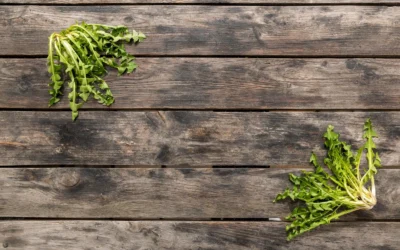
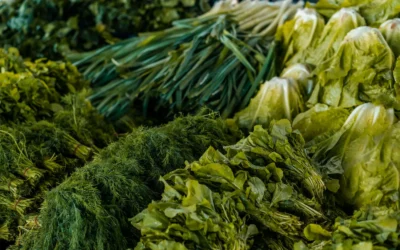
Cal Organic Organic Collard Greens, 1 EA arrives as large, smooth, paddle shaped leaves with thick center ribs that need a little knife work. I strip out the toughest part of the stem, stack the leaves, then slice into thin ribbons and chop crosswise into bite size pieces for juveniles or slightly larger shreds for adults. That sturdy texture is a plus under a basking lamp, since shredded collard holds its shape for an hour or more while softer leaves can wilt fast. Dandelion greens are more delicate, with thinner leaves and hollow stems that chop quickly but bruise easily if you press too hard.
For washing and storage, both need a cool rinse, a good shake, and a spin or pat dry so the salad does not turn soggy. I wash only what I need for two to three days, roll the rest loosely in a dry paper towel, and keep it in a produce bag in the crisper. The organic labeling on the Cal Organic collard bunch matters to me because I want fewer residues on a food I serve daily, though I still wash everything. Dandelion greens tend to have more grit tucked near the base, so they often need two rinses and a careful check for wilted pieces before chopping.
Taste, Acceptance And Picky Eaters
Taste response is where your individual dragon decides for you. In my experience, dandelion greens have a slightly earthy, mildly bitter note that some dragons love right away, especially adults that already graze confidently. Cal Organic Organic Collard Greens, 1 EA tastes milder and a little cabbage like when fresh, which makes it an easier first leaf for babies and juveniles that are still learning to eat salads. If your dragon walks past greens to wait for insects, texture often matters as much as flavor, and the crunch of fresh collard can trigger more bites than limp, wet leaves.
You can raise acceptance for either option with the same simple tricks. Offer salads first thing in the morning before insects, mist lightly with water for shine, and top with a little grated squash or bee pollen style topper if your vet approves the product you use. I mix both greens together when I have them, using collard as the base for structure and a small handful of dandelion on top for smell and color contrast. Keep pieces small for young dragons and watch stool and appetite for a few days after any change, since keepers commonly report that sudden swaps can cause temporary refusals.
Sourcing, Consistency And Everyday Safety
Consistency favors Cal Organic Organic Collard Greens, 1 EA for most shoppers. It is a familiar grocery item with steady sizing, and that 4.4 out of 5 rating across 906 reviews suggests buyers generally receive fresh, usable bunches. You know what you are getting, the leaves are whole, and you can plan chop size and storage around it. Dandelion greens are more seasonal in many stores, sometimes sold in small bunches that vary in length and tenderness, so one week you get perfect tender leaves and the next week you get leggy stems with extra cleaning work.
Safety is the other reason I lean on store bought greens for daily feeding. Backyard dandelions can carry pesticides, herbicides, fertilizers, or waste from pets and traffic, so foraged leaves are not worth the risk unless you control the yard completely and can verify it is chemical free. Store bought collard and store bought dandelion both avoid that gamble, but collard is simply easier to find year round. Good husbandry around the salad matters too, from clean bowls to proper heat for digestion, and I found placement tips in basking platform for bearded dragon useful for keeping the salad zone at a comfortable feeding temperature while insects remain part of the plan through Feeder Insects: Crickets, Dubia & BSFL.
Which One Should You Get
Choose dandelion greens if you keep an adult or subadult dragon that already eats salads well and you want a soft, easy to bite leaf to rotate in for variety. This is a good pick when your dragon prefers tender textures, when you chop fresh each morning, and when you shop often enough to use delicate bunches before they wilt. Use it as part of a mix with squash and other approved veggies, keep pieces bite size, and serve early in the day so your dragon grazes before insect time. It shines as a rotation green rather than the only green you buy for weeks at a time.
Choose Cal Organic Organic Collard Greens, 1 EA if you keep a baby or juvenile that is still learning salads, or if you want one dependable base green that holds up well under heat. This is the better workhorse when you meal prep for several days, when store trips are less frequent, and when you want consistent leaf size for even chopping. Rinse well, remove heavy ribs for little mouths, shred finely, and mix in a colorful topper to invite bites. Many keepers find collard the simplest daily driver, with dandelion added on top when available for enrichment.
My Experience
I have used Cal Organic Organic Collard Greens, 1 EA in my adult dragon’s front opening enclosure with tile, a hide, and a raised basking platform, and it has been the most reliable salad base in November routines. I serve a shallow bowl of finely shredded collard topped with grated butternut and a pinch of dandelion when I find a fresh bunch, and my dragon usually starts grazing within minutes of lights on before I offer insects later. The collard stays presentable through the morning, cleanup is quick because pieces do not mat to the bowl, and waste dropped a lot once I learned to chop to the right size and to dry leaves well after washing.
Who Should Skip Both
Fresh leafy staples are essential, yet these two greens alone are not ideal for a keeper who wants a shelf stable only diet with no refrigeration, no washing, and no chopping. If you travel for long stretches, lack reliable refrigeration, or cannot source fresh produce weekly, you need a different feeding plan built with your reptile veterinarian that may lean on approved prepared diets and boarding help. Neither dandelion greens nor collard greens are also not the right choice as a sole food for a sick, dehydrated, or non eating dragon that needs prompt veterinary assessment and assisted care.
Frequently Asked Questions
Can I mix dandelion greens and collard greens for my bearded dragon every day?
Yes, many keepers mix both daily as part of a varied salad, using collard as the sturdy base and a smaller amount of dandelion for variety. Keep the overall salad balanced with other approved vegetables and follow your supplement schedule. Watch appetite and droppings when you change ratios and adjust chop size to your dragon’s age.
Are dandelion greens better than collard greens for a baby bearded dragon?
Most babies do better starting on mild, sturdy collard greens cut very fine, since the pieces hold shape and are easy to see in the bowl. Dandelion greens can still be offered in small amounts once your baby eats salads regularly. Always prioritize small bites, morning salad timing, and guidance from your reptile veterinarian for young dragons.
Do I still need calcium powder if I feed collard greens or dandelion greens daily?
Yes, greens alone do not replace your calcium and vitamin plan plus proper UVB. Follow the manufacturer’s own directions for each specific supplement you use and check with a reptile veterinarian about your individual dragon’s needs. Keep a consistent dusting routine and avoid changing multiple products at once so you can track response.





Write Your Review
No reviews yet. Be the first to share your experience!