

If you are weighing loose substrate vs tile substrate for baby bearded dragon care, you are really choosing between enrichment and low risk simplicity. In this comparison I pit Zilla Jungle Mix Terrarium Substrate Bedding against plain tile substrate to see which floor fits a hatchling. One is a soft organic loose mix built for humid forest tanks, the other is a solid wipe clean surface with nothing to swallow.
Your real decision comes down to your baby’s age, your cleaning schedule, and how dry you can keep a small nursery enclosure. A brand new hatchling that lunges at every cricket needs a forgiving floor while it learns to aim, while a steadier older baby can handle more texture. I start all of my hatchlings simple and add complexity later, an approach you will see echoed across our Substrate and Bioactive Setups guides refreshed in November 2026.
This article contains affiliate links. If you buy through one of our links, DragonPop may earn a commission at no extra cost to you. Commissions never influence which products we recommend or how we rank them. Read our Affiliate Disclosure for details.
Quick Picks at a Glance
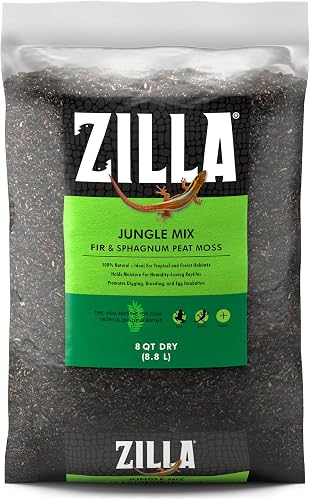
Prime Zilla Jungle Mix Terrarium Substrate Bedding 8
As an Amazon Associate we earn from qualifying purchases. Product prices and availability are accurate as of the date/time indicated.
Pros
- Excellent moisture retention keeps humidity stable for tropical species
- Soft organic texture is comfortable for digging, burrowing and nesting
- Natural fir bark and peat moss blend looks realistic and smells earthy
- Simple spot cleaning routine with easy monthly replacement
Cons
- Requires regular spot cleaning and full monthly changes to prevent odor and mold in humid tanks
- Can dry out quickly under heat lamps or stay too damp if over misted, so monitoring is needed
- 8 quart size may not be enough for large enclosures, so bigger tanks need multiple bags
Zilla Jungle Mix Terrarium Substrate Bedding is an 8 quart organic bedding made for tropical and forest setups. It is designed for humidity loving pets like frogs, rainforest geckos, toads and snakes that need a soft, moisture retentive floor.
The standout feature is natural humidity control from the sphagnum peat moss base. In real world use, it absorbs water well and releases it slowly, helping keep enclosure humidity stable between mistings while supporting digging and nesting.
The blend of aged Douglas fir bark and peat moss feels soft yet structured and looks like a real forest floor. It has a light earthy scent, holds tunnels and nests well, and works nicely in both animal only and live planted terrariums.
It is not maintenance free, as any organic substrate needs attention in warm, damp conditions. If kept too wet without cleaning, it can compact or develop odor, so daily spot cleaning and correct 1 to 2 inch depth are important.
Overall, this is a reliable, easy to use choice for keepers of tropical reptiles and amphibians. If you want organic bedding that balances moisture, comfort and natural behavior support, this Jungle Mix is easy to recommend.
Brand: Zilla, Style: Jungle Mix, Color: Brown, Material: Moss and Wood Shavings.
Tank Volume: 8 quarts, Item Weight: 5.8 pounds, Included Components: 1 bag of Zilla Jungle Mix Terrarium Substrate Bedding.
Special Feature: Jungle Mix blend of aged Douglas fir bark and sphagnum peat moss for tropical and forest habitats.
Spread bedding 1 to 2 inches deep across the terrarium floor for most tropical species.
Lightly mist to reach desired humidity, then monitor with a hygrometer and adjust misting as needed.
Remove waste and soiled bedding daily and replace all bedding monthly or as needed to keep the habitat fresh.
How They Compare
Material, Texture and Humidity Control
Zilla Jungle Mix Terrarium Substrate Bedding is a 100% organic blend of aged Douglas fir bark and sphagnum peat moss with a soft texture and earthy scent. It is described as ideal for tropical and forest habitats for frogs, rainforest geckos, toads and snakes because it is highly absorbent and helps maintain humidity in reptile and plant enclosures. Tile substrate is the opposite, a hard ceramic or slate surface with zero absorbency, so Zilla Jungle Mix Terrarium Substrate Bedding holds moisture while tile substrate keeps the viv dry and airy.
That moisture split is critical for a desert lizard that needs dry air and a dry floor, not the damp forest conditions Zilla Jungle Mix Terrarium Substrate Bedding is made to create. In my nursery tub, Zilla Jungle Mix Terrarium Substrate Bedding stayed damp around the water dish long after misting, while tile substrate dried fast and never smelled musty or sour. If you are considering a future arid mix, read this bioactive substrate mix guide before you use a humidity holding bedding as a full floor for a baby.
Safety and Impaction Risk for Babies
When you compare Zilla Jungle Mix Terrarium Substrate Bedding and tile substrate for safety, ingestion risk is the clearest difference for tongue flicking babies. Tile substrate has nothing loose to eat, so a baby that misses a cricket just taps its snout on a hard floor and tries again. Zilla Jungle Mix Terrarium Substrate Bedding has loose bark and peat that cling to feeders and tongues, and hatchlings are messy hunters who often gulp bedding along with their prey, which raises impaction and mouth irritation concerns.
Traction also favors tile substrate if you pick the right finish for tiny claws. Textured unglazed ceramic or rough slate gives grip and naturally files nails, while glossy polished tile can slip and tire little legs during hunting. Zilla Jungle Mix Terrarium Substrate Bedding feels softer underfoot and cushions tumbles, but that softness does not offset the swallowing risk for brand new babies. Keepers commonly report keeping hatchlings on solid flooring until hunting aim is accurate, poops are regular, and the baby is eating salads without lunging at the floor.
Setup, Cleaning and Daily Maintenance
Setup effort is low for both options, but in different ways that matter in a baby room. Zilla Jungle Mix Terrarium Substrate Bedding comes in an 8 Quart bag and calls for a bedding depth of 1 to 2 inches, so you pour, level, and pick out large chunks before your baby moves in. Tile substrate needs careful measuring and cutting so pieces sit flat with no gaps for toes or escaped crickets. Once Zilla Jungle Mix Terrarium Substrate Bedding and tile substrate are installed, tile looks cleaner on day one and never needs fluffing or leveling.
Daily cleaning is where tile substrate earns its reputation with babies that can poop two or three times per day. With Zilla Jungle Mix Terrarium Substrate Bedding you must remove animal waste and soiled bedding daily and replace bedding monthly or as needed, and bark pieces tend to trap urate, shed, and cricket bits out of sight. Tile substrate lets you lift the poop, wipe with reptile safe cleaner, and check color and form in seconds to track health. If you dream of a cleanup crew later, this isopods for bioactive tanks guide explains why neither Zilla Jungle Mix Terrarium Substrate Bedding nor tile substrate is a true bioactive base.
Enrichment, Digging and Natural Behavior
For enrichment, Zilla Jungle Mix Terrarium Substrate Bedding clearly offers more than tile substrate on paper and in practice. Its all natural composition is made to encourage natural behaviors like digging, breeding, nesting and egg incubation, and even tiny babies will scratch, push, and burrow in the bark and peat mix. Tile substrate provides no digging outlet at all, so Zilla Jungle Mix Terrarium Substrate Bedding is more interesting to watch while tile substrate can feel stark unless you decorate thoughtfully above the floor.
You can fix that starkness without risking a full loose floor for a clumsy hunter. Babies housed on tile substrate do very well with extra branches, hides, and a low textured basking surface for climbing and surveying, and this basking platform guide has safe shapes that add grip and height. Zilla Jungle Mix Terrarium Substrate Bedding brings scent and texture by itself, while tile substrate shifts enrichment upward into climbing and basking, which is safer for hatchlings that still trip over their own feet.
Which One Should You Get
Choose Zilla Jungle Mix Terrarium Substrate Bedding if your baby is older, hunts cleanly, eats from a dish without gulping mouthfuls of floor, and you can commit to strict maintenance. It fits an experienced keeper with a larger grow out enclosure who will keep the layer at 1 to 2 inches, spot clean waste daily, replace the bedding monthly, and vent well to offset humidity. I would limit it to a contained dig box first rather than a full floor, so your hatchling gets digging practice while its main basking and feeding zone stays solid and dry.
Choose tile substrate if your dragon is a brand new hatchling in its first nursery setup and you want the safest and simplest start. It fits busy keepers who need fast wipe downs, clear poop checks for hydration and parasites, and zero ingestion worry during the clumsy hunting phase. Once your baby is a steady hunter with regular sheds and solid appetite, you can revisit a dig box or a proper arid loose mix with much less risk and stress.
My Experience
I have used both styles in my own baby rack, but for different jobs and at different times. I raised my youngest hatchling on textured tile because I was tired of fishing bark off her tongue after every cricket chase, and nightly cleanup took only minutes with a wipe. Later I added a shoebox sized tub of Zilla Jungle Mix Terrarium Substrate Bedding kept at 1 to 2 inches as a supervised dig box, and she scratched, settled, and napped in it while the main tile floor stayed dry. The 8 Quart bag lasted a long time used that way because I only topped up and replaced the small box monthly.
Who Should Skip Both
If you want a complete arid bioactive setup with live plants and a cleanup crew, both choices here are not ideal for that project and you should keep shopping. Tile substrate seals off the floor so nothing can burrow or break down waste, while Zilla Jungle Mix Terrarium Substrate Bedding is built for tropical and forest habitats and stays too damp for desert custodians and arid plants. You would be better served by a dry soil, sand, and clay blend designed for bearded dragons rather than forcing either of these two into a role they were not created to fill.
Frequently Asked Questions
Is Zilla Jungle Mix Terrarium Substrate Bedding safe for baby bearded dragons?
It can be used with caution, but it is not the safest full floor for a hatchling. It is made for humid species like frogs and rainforest geckos, so it holds moisture and has loose bark pieces a baby can swallow while hunting. Many keepers rate it highly for tropical tanks, it holds a 4.7 out of 5 from 2444 reviews, yet for babies most keepers use it only as a supervised dig box on top of tile.
Is tile substrate too cold or slippery for a baby bearded dragon?
No, not if you choose rough textured slate or unglazed ceramic and heat the basking zone correctly with overhead heating. Smooth glazed tile can slip under tiny feet and feel hard, so look for a matte finish and add a hide and branch for grip. Tile substrate also lets you see poops clearly, which helps you track hydration and health during the fast growing baby stage.
Can I combine loose substrate vs tile substrate for baby bearded dragon enclosures?
Yes, a combo is often the best compromise for loose substrate vs tile substrate for baby bearded dragon care. Keep most of the floor as tile substrate for feeding and basking, then offer Zilla Jungle Mix Terrarium Substrate Bedding in a shallow contained dig box for enrichment. Feed only on the tile side so crickets do not drag bedding into your baby’s mouth, and keep the loose section clean and dry.


Write Your Review
No reviews yet. Be the first to share your experience!