

If you are researching tile vs loose substrate for bearded dragons for first time owners, you are trying to balance safety, cleaning time, and comfort for your new pet. Tile feels clean and predictable, while loose bedding looks natural and lets your dragon dig, scratch, and settle in for a nap.
There is no single right answer for every home. Your choice depends on your dragon’s age, your enclosure size and layout, your current setup and cleaning routine, and how much complexity you want as a beginner. Start with those variables first, then browse the Substrate and Bioactive Setups guides to see how different systems work in real tanks.
What Actually Matters
Ingestion Risk and Age
Young bearded dragons lick everything and often miss feeders and swallow a mouthful of ground cover. That is why many keepers start babies and new juveniles on solid surfaces like tile, shelf liner, or paper towel. You remove loose particle ingestion from the equation while you learn feeding, dusting, heat, and hydration.
As your dragon grows and your husbandry gets steady, risk drops but it never disappears. Feed insects in a separate bin or on a solid dish area, avoid very fine dusty mixes, and watch stool and behavior after any change. If you see repeated licking, biting at bedding, or straining, simplify back to solid until you find the cause.
Humidity and Cleaning Effort
Bearded dragons need a dry, well ventilated enclosure with a clear basking zone. Tile stays dry, wipes clean, and makes it easy to spot poop and leftover greens. Loose substrates vary widely, and some blends made from fir bark and peat moss are built to hold moisture for tropical species, which is the opposite of what a desert lizard needs.
Be honest about cleaning. Tile needs frequent wiping but no replacement. Loose needs daily spot removal of waste and soiled patches, plus full replacement on a regular schedule. Keepers commonly report using a recommended bedding depth of 1 to 2 inches for simple loose setups, which is enough for light digging without creating deep damp pockets that are hard to check.
Digging and Natural Behavior
Tile wins for simplicity but it offers almost no enrichment underfoot. Many adult dragons enjoy pawing, scraping, and burrowing into a dig corner before sleep, and females especially like to test spots for laying even when not bred. A well chosen loose area encourages natural behaviors like digging, nesting, and exploring, and you will often see more relaxed settling at night.
You do not have to go all or nothing. Many first time owners keep most of the floor solid and add a contained dig box with safe, low dust material. That gives you easy cleaning across most of the tank plus a small area to observe whether your dragon actually uses loose bedding before you commit to a full change.
Future Plans and Setup Complexity
Think one step ahead. If you want a simple pet setup, tile or a similar solid floor will serve you for years with minimal gear. If you are curious about naturalistic or bioactive tanks, loose substrate is only one layer of a bigger system that includes drainage, soil separation, plants, and cleanup crew animals.
Bioactive builds need porous separation between wet and dry layers so soil does not clog the bottom and roots stay healthy. Read the bioactive substrate mix guide before you buy anything, and plan for extra time for watering, trimming, and monitoring humidity. As a first time owner, it is fine to master heat, light, and feeding on solid first, then upgrade later.
To show what this looks like in practice, here are a few options that show the range from simple loose bedding ingredients to bioactive build parts:
This article contains affiliate links. If you buy through one of our links, DragonPop may earn a commission at no extra cost to you. Commissions never influence which products we recommend or how we rank them. Read our Affiliate Disclosure for details.
Quick Picks at a Glance

Prime Josh's Frogs Substrate Barrier 24×18 Porous
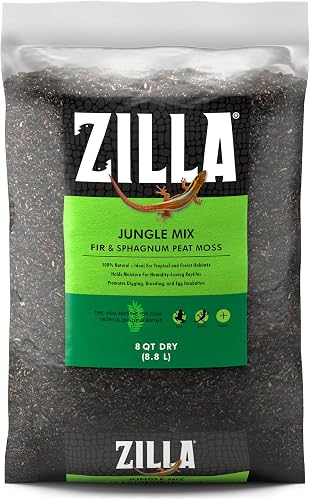
Prime Zilla Jungle Mix Terrarium Substrate Bedding 8
As an Amazon Associate we earn from qualifying purchases. Product prices and availability are accurate as of the date/time indicated.
Pros
- Effectively prevents substrate from clogging the false bottom
- Excellent drainage helps maintain healthy humidity and root conditions
- Easy to cut to size for different terrarium footprints
- Lightweight yet durable polyester holds up well in humid vivariums
Cons
- Single sheet may not cover extra large enclosures without seaming
- Thin mesh requires careful handling when cutting and installing
- Only available in black with one thickness option
Josh's Frogs Substrate Barrier is a porous mesh sheet designed to sit between the drainage layer and ABG mix in a naturalistic vivarium. It is made for dart frog keepers, amphibian owners, and anyone building a bioactive terrarium with a false bottom.
In real world use, it does a simple job very well by letting water pass through while keeping soil and fine particles out of the drainage zone. That separation helps prevent clogs, reduces stagnant water, and keeps the substrate healthier for plants and cleanup crews.
The barrier is cut from lightweight black polyester in a generous 24 by 18 inch rectangle. It feels thin yet tough in humid conditions, trims cleanly with scissors, and disappears under substrate for a clean, naturalistic look.
It is not perfect, as one sheet may fall short for very large tanks and the thin mesh needs gentle handling to avoid snags during cutting. Some builders may also want more thickness choices, since only one style is offered.
Overall, this is a must have foundation layer for a long lasting bioactive setup. If you want cleaner drainage, healthier substrate, and less maintenance, this simple barrier is an easy win.
Pros
- Excellent moisture retention keeps humidity stable for tropical species
- Soft organic texture is comfortable for digging, burrowing and nesting
- Natural fir bark and peat moss blend looks realistic and smells earthy
- Simple spot cleaning routine with easy monthly replacement
Cons
- Requires regular spot cleaning and full monthly changes to prevent odor and mold in humid tanks
- Can dry out quickly under heat lamps or stay too damp if over misted, so monitoring is needed
- 8 quart size may not be enough for large enclosures, so bigger tanks need multiple bags
Zilla Jungle Mix Terrarium Substrate Bedding is an 8 quart organic bedding made for tropical and forest setups. It is designed for humidity loving pets like frogs, rainforest geckos, toads and snakes that need a soft, moisture retentive floor.
The standout feature is natural humidity control from the sphagnum peat moss base. In real world use, it absorbs water well and releases it slowly, helping keep enclosure humidity stable between mistings while supporting digging and nesting.
The blend of aged Douglas fir bark and peat moss feels soft yet structured and looks like a real forest floor. It has a light earthy scent, holds tunnels and nests well, and works nicely in both animal only and live planted terrariums.
It is not maintenance free, as any organic substrate needs attention in warm, damp conditions. If kept too wet without cleaning, it can compact or develop odor, so daily spot cleaning and correct 1 to 2 inch depth are important.
Overall, this is a reliable, easy to use choice for keepers of tropical reptiles and amphibians. If you want organic bedding that balances moisture, comfort and natural behavior support, this Jungle Mix is easy to recommend.
Brand: Zilla, Style: Jungle Mix, Color: Brown, Material: Moss and Wood Shavings.
Tank Volume: 8 quarts, Item Weight: 5.8 pounds, Included Components: 1 bag of Zilla Jungle Mix Terrarium Substrate Bedding.
Special Feature: Jungle Mix blend of aged Douglas fir bark and sphagnum peat moss for tropical and forest habitats.
Spread bedding 1 to 2 inches deep across the terrarium floor for most tropical species.
Lightly mist to reach desired humidity, then monitor with a hygrometer and adjust misting as needed.
Remove waste and soiled bedding daily and replace all bedding monthly or as needed to keep the habitat fresh.
Matching Gear to Your Enclosure
Match the floor to the dragon in front of you, not to photos online. These common first owner situations can help you narrow it down quickly.
New keeper with a very young dragon in a simple starter setup. Stick with tile or another solid floor for now. You want fast spot cleaning, clear visibility of poop and urate, and zero loose particles around tiny feeders. Skip drainage layers and soils until your temperatures, feeding routine, and vet check are settled.
Keeper with a healthy juvenile or adult who wants digging enrichment. A contained loose area can work if you commit to daily checks. For illustration, Zilla Jungle Mix Terrarium Substrate Bedding shows why label reading matters. It is an organic blend of aged Douglas fir bark and sphagnum peat moss made to retain moisture and support humidity for tropical and forest habitats, plus digging and nesting. That moisture holding trait is helpful for frogs and rainforest geckos, but it means you must use it very sparingly, dry, and shallow for a bearded dragon, or choose a drier desert style mix instead. If you try it, keep it to the recommended bedding depth of 1 to 2 inches, remove waste daily, and replace on schedule.
Planner thinking about a naturalistic or bioactive upgrade in a large adult enclosure. Do not just pour soil over the glass. You need structure underneath so water drains and soil stays airy. For illustration, Josh’s Frogs Terrarium Substrate Barrier (24″x18″) is a lightweight and customizable porous sheet that separates the false bottom and soil layers while allowing water to drain through. Pair that concept with your soil, leaf litter, and isopod guide for bioactive tanks research, and start with one planted corner rather than a full conversion.
Common Mistakes
Picking a humidity holding mix because the bag looks natural. Blends built for tropical tanks can keep a bearded dragon enclosure too damp, especially near the cool end or water dish. That can lead to musty odor, moldy spots, and shedding issues. Always check if the product is described as moisture retaining and ideal for rainforest species, and pass if you need dry and airy.
Wrong fit and skipped setup checks. Loose poured too deep stays wet underneath, too thin turns dusty and shifts into food dishes. Barriers cut too small let soil fall through and clog drainage. Measure your floor, trim separation layers to fit edge to edge, secure heat and light fixtures safely, and review your setup with a dimming thermostat guide so basking stays steady after you change flooring.
Feeding directly on loose with a messy baby hunter. Tossing crickets or worms onto loose bedding teaches your dragon to gulp substrate with every strike. Use a smooth feeding ledge, a large shallow dish, or a separate feeding tub, and tong feed when you can. Remove uneaten insects promptly so they do not burrow, bite, or hide in the bedding overnight.
My Experience
I started my first adult rescue on tile because I wanted easy cleanup while I fixed his heat and diet, and it made health checks simple. Later I added a small dig box filled shallow at 1 to 2 inches to test interest, and when I explored a planted corner I cut a 24 inch by 18 inch porous barrier sheet to fit so the soil layer would stay separated and drain. He used the dig spot nightly but still ate on tile, which told me a hybrid layout fit us best.
Who Should Wait or Buy Differently
A full loose or bioactive floor is not ideal for brand new owners with a tiny baby, anyone struggling with high humidity or poor ventilation, or keepers who cannot spot clean daily. If you are in a small temporary enclosure, dealing with illness or parasites, or waiting on proper heating and lighting upgrades, stay solid for now and revisit loose options once your routine and vet care are stable.
Frequently Asked Questions
Is tile safer than loose for a first bearded dragon?
For most beginners, yes, tile is simpler and removes ingestion and humidity guesswork while you learn. It is easy to clean, keeps nails worn, and lets you monitor droppings clearly. You can add digging enrichment later once husbandry is steady.
Can I mix tile and loose in one enclosure?
Yes, and many keepers prefer this hybrid. Keep the basking side and feeding area solid for heat transfer and clean meals, with a bordered dig area on the cool side. Use a tray or divider so loose does not migrate under the tile and trap waste.
When should a first time owner try bioactive?
Wait until your adult dragon is healthy, your heat and light are stable, and you have time for plant and soil care. Start by learning about soil mixes, drainage separation, and cleanup crews. A small test corner is a low risk way to learn before a full build.




Write Your Review
No reviews yet. Be the first to share your experience!